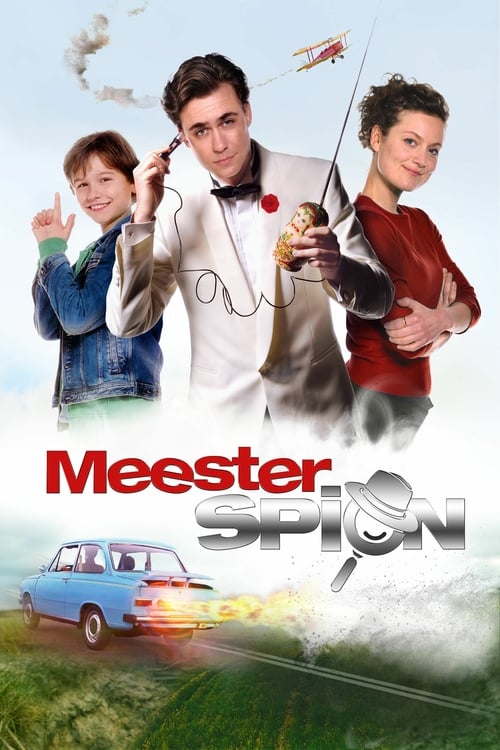
Master Spy
2016
No user ratings available yet
Representation score: 3.5 out of 10
Representation Score
Fair
1998
Director
Ineke Houtman
Runtime
85 minutes
Average Rating
No ratings yetNew Showbiz Analysis
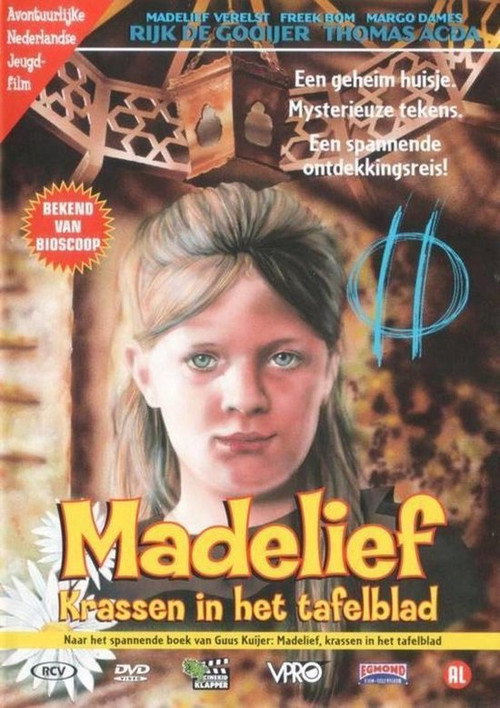
Scratches in the Table functions as a traditional family adventure that centers on women's ability to drive the story. Madelief acts as an active investigator of her own family history, providing a subtle shift toward a matriarchal perspective. However, the film lacks multi-layered depth. The social environment appears homogeneous, and there is no representation of LGBTQ+ identities or diverse racial casting, reflecting a more localized European storytelling style. Ultimately, the film succeeds in deconstructing the sanctity of the domestic sphere through its focus on personal discovery and the questioning of established family legacies.
Category Breakdown
The film does not include explicit LGBTQ+ characters or stories that challenge the assumption that everyone is straight or cisgender. The story focuses on the relationship between Madelief and her grandmother.
Madelief drives the plot through her own curiosity and investigative actions. The narrative emphasizes the female experience of grief and discovery over patriarchal structures.
The production seems to be a localized European film set in a rural environment. There is no evidence of significant ethnic blending or diverse casting.
The narrative challenges the idealized view of the nuclear family by presenting the grandmother's summer house as a place of secrets. It prioritizes individual truth over inherited traditions.
There is no specific evidence regarding the portrayal of physical or neurodivergent disabilities within the film.
Present on Screen
Limited or Absent
Official Synopsis
When Madelief's grandmother dies, her mother takes her to the funeral. She then visits her grandfather, but quickly gets bored, until Mischa tells her how much fun a rural summer can be. She investigates her grandmother's "summer house", made curious by the lock on the door. Madelief didn't remember her grandmother, but from her snooping in the summer house she learns a lot about her. Written by Steve Schonberger
2016
1969

2020
2015

2010
2021

1999
2004
No reviews yet. Be the first to share your thoughts on this movie!
Use the rating form above to leave a star rating and optional review.