The Devil and Sam Silverstein
1976
No user ratings available yet
Representation score: 1.7 out of 10
Representation Score
Limited
2007
TV-GDirector
William Felix Clark
Runtime
12 minutes
Average Rating
No ratings yetNew Showbiz Analysis
The film operates as a dark comedic fable centered on a single protagonist and his Faustian bargain. The narrative structure follows a traditional cautionary tale format, emphasizing individual greed and the price of material success. Since the story is driven by a specific transactional relationship between a clerk and a tailor, it lacks the demographic breadth necessary for characters who reflect more than one aspect of diversity. The focus remains on delivering a singular moral lesson rather than exploring social dynamics. Ultimately, the film's reliance on classic literary formulas results in a narrow scope that misses opportunities for broader social or cultural engagement.
Category Breakdown
The film does not include any LGBTQ+ identities or same-sex relationships. There are no queer characters or critiques of the assumption that everyone is straight or cisgender.
The story revolves around a male bank clerk. Although no specific gender hierarchies are enforced, the absence of female characters restricts a deeper exploration of gender dynamics.
The plot centers on the protagonist's pact and the magical trousers. There is no indication of a diverse cast or any racial or ethnic representation.
The film deals with themes of moral relativism and the corruption of success. It uses a traditional Faustian pact without challenging modern cultural institutions.
Physical disability is used as a transactional plot device when the protagonist trades his legs. This approach leans towards cautionary clichés rather than giving characters with disabilities real power.
Present on Screen
Limited or Absent
Official Synopsis
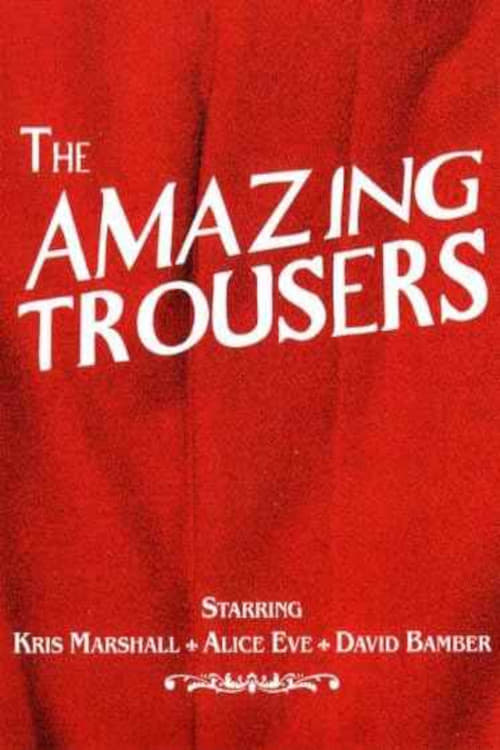
The Amazing Trousers tells the tale of a mild bank clerk who enters into a Faustian pact with a sinister tailor, agreeing to trade his legs after one year in return for enjoying glorious success. The success is brought on by a pair of red trousers...amazing red trousers.
1976

1989
1957
2006

2005

2006
1927
1916
No reviews yet. Be the first to share your thoughts on this movie!
Use the rating form above to leave a star rating and optional review.