Meet Marlon Brando
1966
No user ratings available yet
Diversity score: 3.8 out of 10
1966
Director
Albert Maysles, David Maysles, Charlotte Zwerin
Runtime
30 minutes
Average Rating
No ratings yetSynopsis
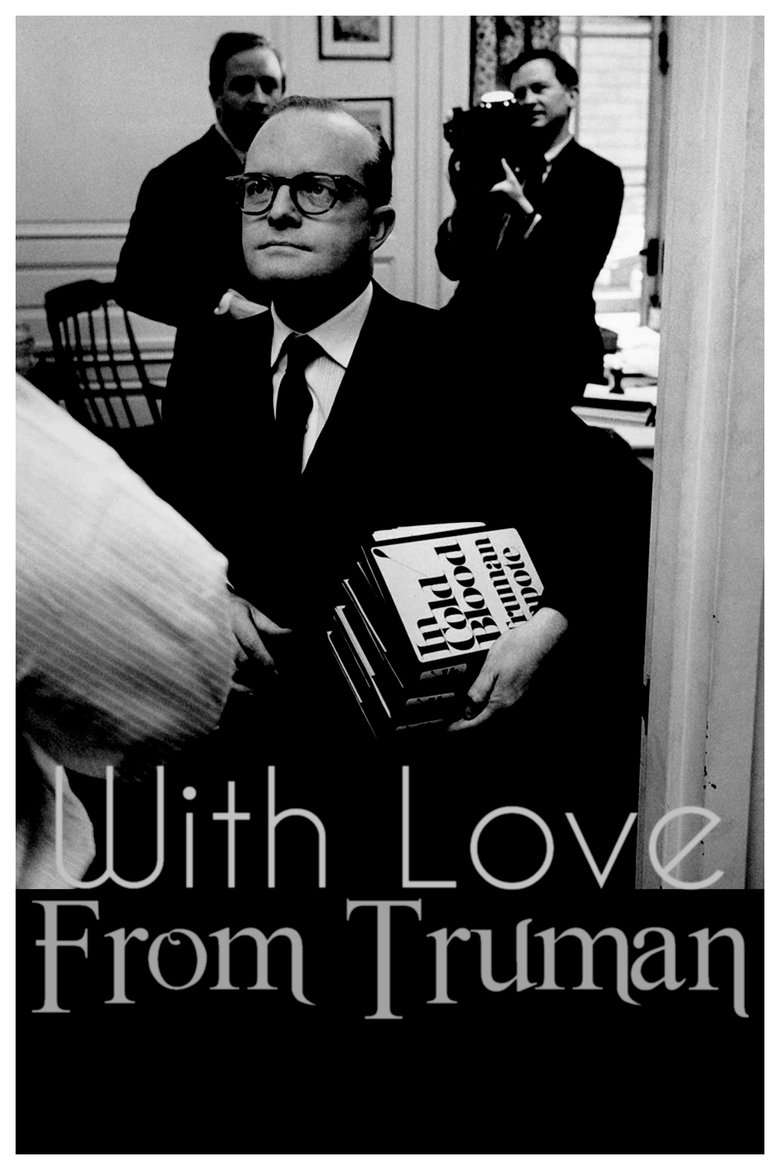
At his Long Island beach house, and on the occasion of the publication of his masterful nonfiction novel In Cold Blood, reporter Karen Dennison interviews celebrated writer Truman Capote, who displays his exuberant personality, makes witty jokes, shares his thoughts on writing, reflects on various aspects of the book and, in a sweet and endearing voice, reads and explains some of its highlights.
Overall Score
Fair
Category Breakdown
LGBTQ+ Representation
The film acts as a vital historical record of queer identity in 1966. By centering Capote as a charismatic intellectual authority, it subtly subverts the era's rigid heteronormative masculinity.
Gender Representation
Capote navigates 1960s social hierarchies with intellectual dominance. His interactions with female interlocutors like Karen Dennison suggest a level of parity that deviates from restrictive mid-century gender roles.
Racial & Ethnic Diversity
The documentary reflects the homogeneous racial realities of the 1960s cultural elite. The depicted social environments are predominantly white and affluent, lacking diverse racial perspectives.
Religious & Cultural Diversity
The narrative is deeply embedded in Western literary traditions and mid-century capitalist structures. It celebrates individual achievement within the prestige of the American literary canon.
Disability Representation
There are no prominent depictions of physical or neurodivergent disabilities that drive the narrative or serve as significant character arcs.
Strengths
Areas for Improvement
AI Analysis
With Love from Truman is a transitional text that finds its strength in the singular, powerful presence of Truman Capote. By positioning a queer intellectual at the center of the frame, the film challenges the conventional social hierarchies and gendered expectations of 1966. However, the film remains a product of its time, reflecting the socioeconomic and racial homogeneity of the mid-century literary establishment. The lack of racial and ethnic diversity limits its broader intersectional impact. Ultimately, the documentary's value lies in its observational approach, which allows a non-traditional persona to exercise profound cultural agency within a highly specific, elite social context.
1966
2017
2016

2015
1965
2005
1975
2012

1993
2014
2013
2014
No reviews yet. Be the first to share your thoughts on this movie!
Use the rating form above to leave a star rating and optional review.