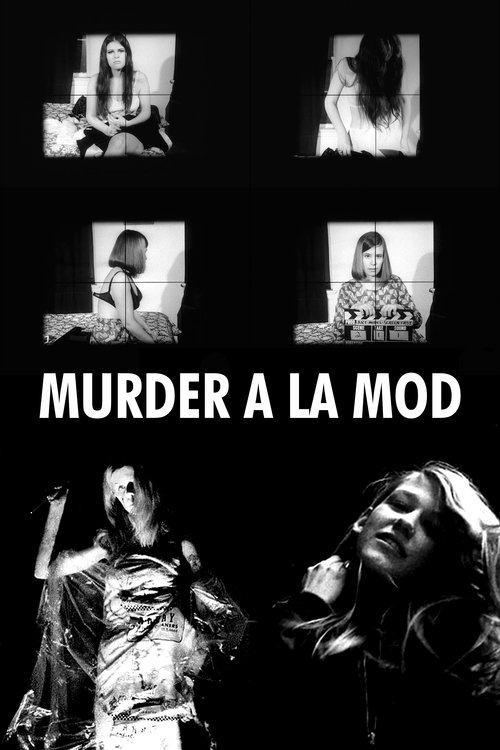
Murder à la Mod
1968
No user ratings available yet
Representation score: 2.5 out of 10

Representation Score
Good
1970
RDirector
Brian De Palma
Runtime
87 minutes
Average Rating
No ratings yetNew Showbiz Analysis
Hi, Mom! succeeds in capturing the fractured social landscape of 1970s New York. Its strongest asset is the integration of the Black Power movement, which moves beyond mere peripheral casting to drive the plot. The film also excels in its cultural critique, leaning heavily into anti-establishment sentiment and the rejection of traditional Western institutions. This creates a narrative that feels deeply embedded in the era's radicalism. However, the film is limited by its male-centric focus and a lack of specific, actively leading LGBTQ character development. While it captures a sense of social fluidity, it remains anchored in the protagonist's individual obsessions.
Category Breakdown
The film captures the emerging fluidity of 1970s Greenwich Village. While it doesn't delve deeply into the development of LGBTQ characters, it reflects the era's non-traditional lifestyles.
Interpersonal relationships are portrayed as volatile and non-hierarchical, challenging traditional domestic units. However, the protagonist's journey remains largely driven by male-centric obsessions.
The narrative integrates a 'Black Power' radical group as a primary catalyst for the plot. These characters play a significant role in driving the story and systemic presence.
The film prioritizes a critique of state authority and Western institutions. It embraces moral relativism through characters who operate outside conventional legal and ethical frameworks.
There is no evidence of characters with visible or invisible disabilities serving as central narrative drivers.
Present on Screen
Limited or Absent
Official Synopsis
Vietnam vet Jon Rubin returns to New York and rents a rundown flat in Greenwich Village. It is in this flat that he begins to film, 'Peeping Tom' style, the people in the apartment across the street. His obsession with making films leads him to fall in with a radical 'Black Power' group, which in turn leads him to carry out a bizarre act of urban terrorism.
1968
1967
1972
1970
1976
1971

1968

1966
No reviews yet. Be the first to share your thoughts on this movie!
Use the rating form above to leave a star rating and optional review.