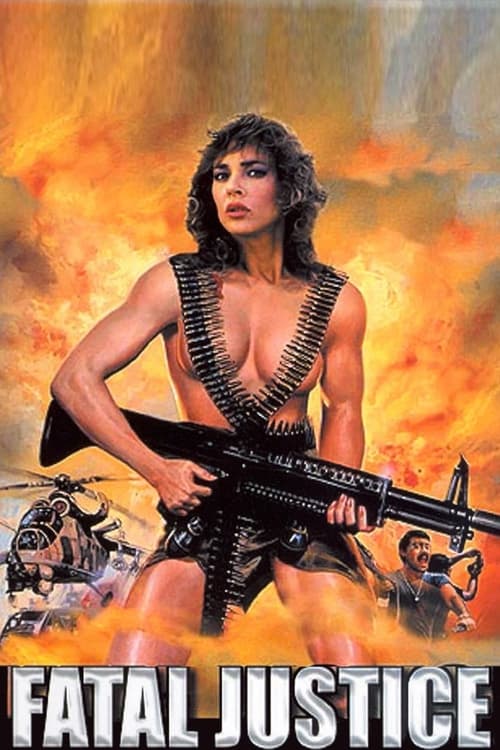
Fatal Justice
1994
No user ratings available yet
Representation score: 2.0 out of 10
Representation Score
Minimal
1996
RDirector
Kaspar Heidelbach
Average Rating
No ratings yetNew Showbiz Analysis
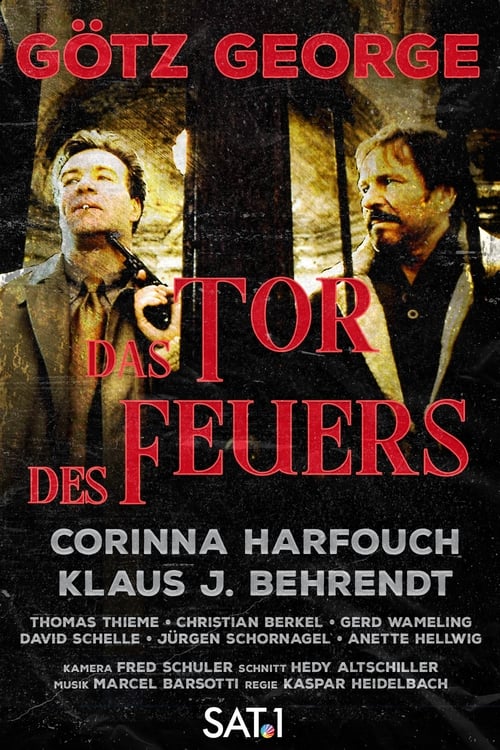
Gates of Fire is a conventional crime thriller that prioritizes plot-driven action over diverse character development. The narrative structure relies heavily on traditional genre clichés, focusing on masculine traits and institutional conflict. The film does not intentionally disrupt social or identity-based hierarchies. Instead, it adheres to a standard Western framework that emphasizes individual merit and physical competence within a homogeneous setting. Overall, the work functions as a traditional genre film, offering limited diverse representation or social critique.
Category Breakdown
The film centers on a male protagonist dealing with a security crisis. There are no LGBTQ+ characters or non-cisgender identities in the story.
Harry Kowa is portrayed as physically and professionally dominant. The film reinforces traditional gender roles by emphasizing masculinity in leadership and protection.
The narrative focuses on a typical Western law enforcement framework. It does not include a diverse cast or blend various racial identities.
The plot follows a conventional man-on-the-run storyline. It prioritizes individual survival within existing institutions without offering religious or cultural critiques.
The film does not include characters with physical or neurodivergent disabilities. The story focuses solely on kinetic action.
Present on Screen
Limited or Absent
Official Synopsis
Ex-Secret Service agent Harry Kowa now works as a bodyguard. Protecting his boss from an assassination attempt, he kills one of the attackers, who turns out to be a government agent. Now it's open season on Kowa.
1994
1994
1974

2012
1996
1985

1996
2012
No reviews yet. Be the first to share your thoughts on this movie!
Use the rating form above to leave a star rating and optional review.