Naal
2018
No user ratings available yet
Representation score: 5.2 out of 10
Representation Score
Excellent
2022
Director
Ananth Narayan Mahadevan
Average Rating
No ratings yetNew Showbiz Analysis
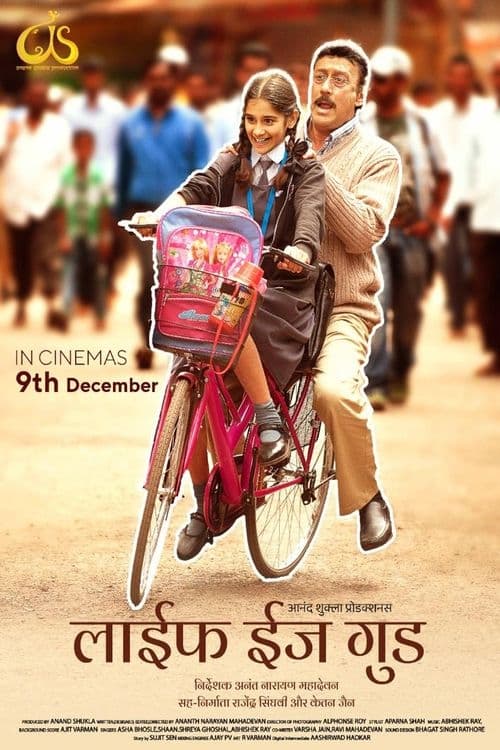
Life Is Good offers a nuanced exploration of emotional resilience through the lens of a South Asian family dynamic. By centering a protagonist who prioritizes emotional intelligence over traditional masculine dominance, the film provides a refreshing departure from standard dramatic archetypes. The story finds strength in the unconventional bond between a grieving adult and a child. This relationship serves as a vehicle to explore grief and social isolation without relying on typical career-driven milestones. While the film lacks explicit engagement with identity politics or diverse representation beyond its cultural setting, its focus on psychological depth and vulnerability provides a progressive approach to character-driven storytelling.
Category Breakdown
The story focuses on platonic and familial bonds. There are no explicit representations of LGBTQ+ identities or non-straight characters.
The film challenges traditional masculine stereotypes by highlighting a male protagonist's emotional vulnerability. Rameshwar's struggle with despair contrasts with the expected stoic, authoritative male leader.
Character names such as Rameshwar and Mishti suggest a South Asian cultural context. The story centers non-Western identities through their internal emotional experiences.
The plot examines loss and the breakdown of traditional support systems. It emphasizes subjective emotional truths and unconventional social connections over strict institutional norms.
The protagonist's descent into despair highlights the psychological impact of grief. The narrative treats these mental health struggles as central to his character development.
Present on Screen
Limited or Absent
Official Synopsis
Rameshwar, a shy accountant, avoids relationships and spirals into despair when his mother dies. Mishti, a 6-year-old girl, decides that Rameshwar is her new best friend, and as she grows older, he fears she will leave him alone once again.
2018

2021

2020
2018

2012

2024

2023
2023
No reviews yet. Be the first to share your thoughts on this movie!
Use the rating form above to leave a star rating and optional review.