
The Hoboken Chicken Emergency
1984
No user ratings available yet
Representation score: 2.5 out of 10
Representation Score
Minimal
1988
Director
Bodo Fürneisen
Runtime
83 minutes
Average Rating
No ratings yetNew Showbiz Analysis
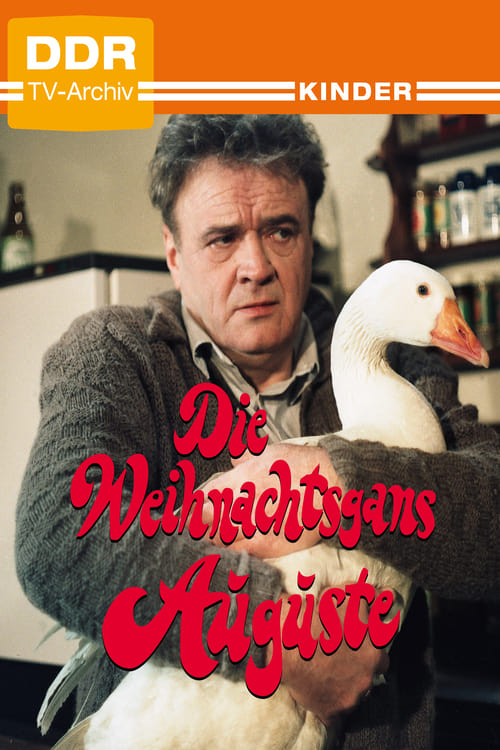
Die Weihnachtsgans Auguste is a conventional family comedy that prioritizes traditional domestic values and seasonal customs. The plot centers on a moral shift within a nuclear family rather than exploring broader social identities. The film's structure relies on a standard patriarchal figure whose rigid intentions are challenged by his children. While this provides a small amount of character growth, the narrative remains firmly within a traditionalist framework. Ultimately, the film lacks multi-layered depth, focusing instead on a localized, culturally specific European experience that lacks racial or queer diversity.
Category Breakdown
The film follows a traditional structure that assumes everyone is straight or cisgender. There are no visible queer-coded characters or non-assuming gender matches what was assigned at birth identities present in the narrative.
The story explores the tension between patriarchal authority and the emotional intelligence of the children. The father's rigid leadership is eventually softened by the children's moral decisions.
The cast appears homogeneous, reflecting a localized European setting. There is no evidence of racial blending or diverse ethnic representation within the production.
The narrative is deeply rooted in Western Christmas traditions and family values. It offers a minor critique of rigid rituals by prioritizing empathy over traditional feast customs.
There is no documented evidence of characters with visible or invisible disabilities in this story.
Present on Screen
Limited or Absent
Official Synopsis
The opera singer Ludwig Löwenhaupt wants a proper festive roast for Christmas, so he buys a goose in advance to feed the whole family. What he doesn't realize, however, is that the children, Elli, Gerda and Peterle, will grow fond of the animal, which is christened Gustje, and will no longer want to eat it. After the "liberation", the "five kilos of meat", which were initially locked up in the cellar, become a pet that the children take to bed with them and communicate with. But shortly before Christmas, father Löwenhaupt still wants to slaughter them. However, as his family protests and his conscience gets in the way, he can't slaughter the goose after all. So Gustje only has to leave a few feathers as proof that she has been plucked, and the opera singer is given another goose that has already been cut up.
1984
1989

1952
2015

2006
1973
2011
2006
No reviews yet. Be the first to share your thoughts on this movie!
Use the rating form above to leave a star rating and optional review.