When It Rains
1995
No user ratings available yet
Diversity score: 6.9 out of 10
1982
RDirector
Charlie Ahearn
Runtime
82 minutes
Average Rating
No ratings yetSynopsis
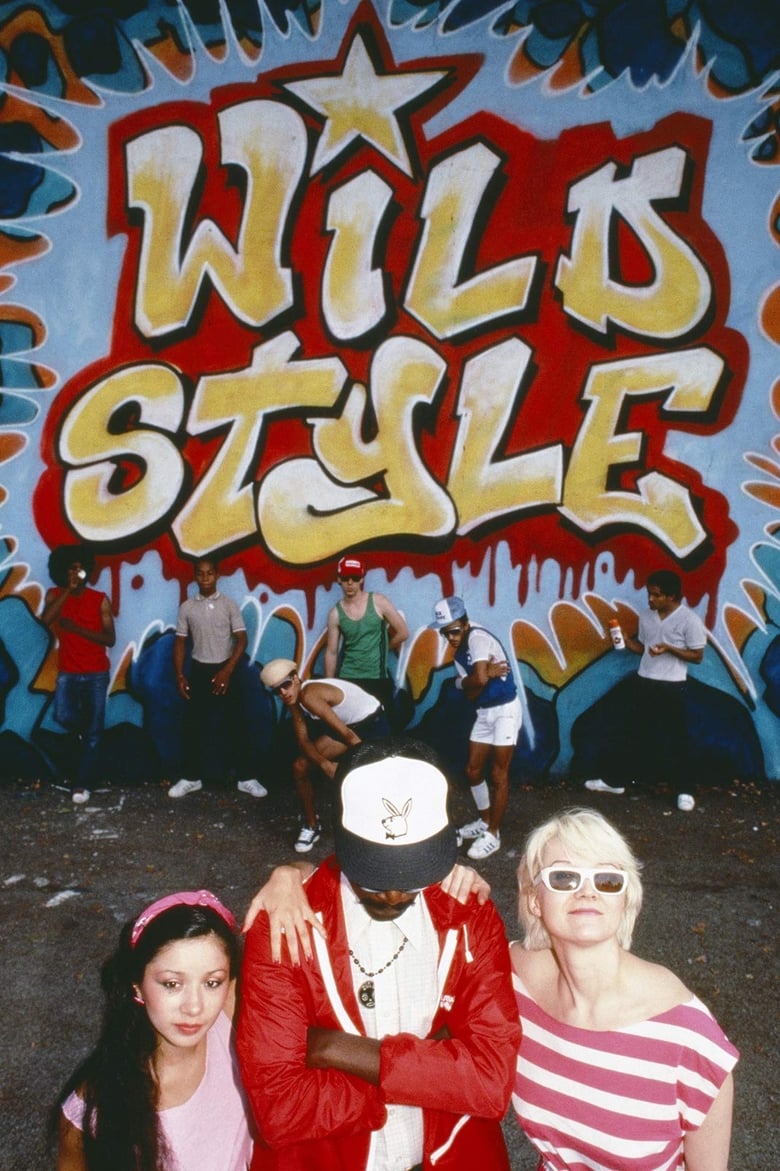
Legendary New York graffiti artist Lee Quinones plays the part of Zoro, the city's hottest and most elusive graffiti writer. The actual story of the movie concerns the tension between Zoro's passion for his art and his personal life, particularly his strained relationship with fellow artist Rose.
Overall Score
Good
Category Breakdown
LGBTQ+ Representation
The film focuses on the communal and competitive aspects of early hip-hop. It lacks prominent LGBTQ+ characters or explicit explorations of non-cisnormative identities.
Gender Representation
Women like Lady B are shown as integral contributors through roles as MCs and B-girls. However, leadership roles within the subculture remain predominantly male.
Racial & Ethnic Diversity
The film excels in its authentic depiction of Black and Latino urban life. It centers the narrative on minority communities in the Bronx and Lower Manhattan.
Religious & Cultural Diversity
The work celebrates a grassroots culture that prioritizes street aesthetics over Western institutional norms. It reframes graffiti as a sophisticated form of identity reclamation.
Disability Representation
There are no central characters defined by visible or invisible disabilities. The focus remains on the physical prowess of B-boys and the agency of artists.
Strengths
Areas for Improvement
AI Analysis
Wild Style serves as a vital historical document that disrupts the racial and cultural hegemonies of the early 1980s. By centering Black and Latino experiences, it provides a rare and authentic look at the birth of hip-hop culture. While the film succeeds in cultural and racial representation, it lacks depth regarding LGBTQ+ and disability identities. The narrative structure prioritizes the physical and creative energy of the street subculture over broader social spectrums. Ultimately, the film's strength lies in its ability to legitimize a marginalized community, offering a blueprint for identity-driven storytelling that values community agency over mainstream validation.
1995
1984

2019
1984
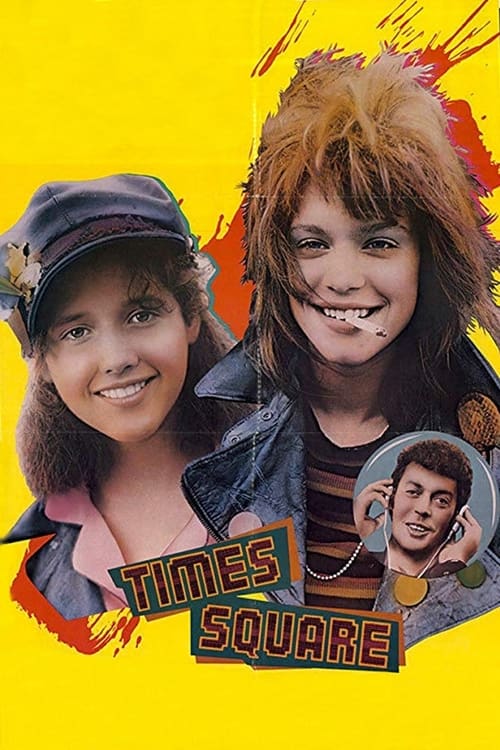
1980
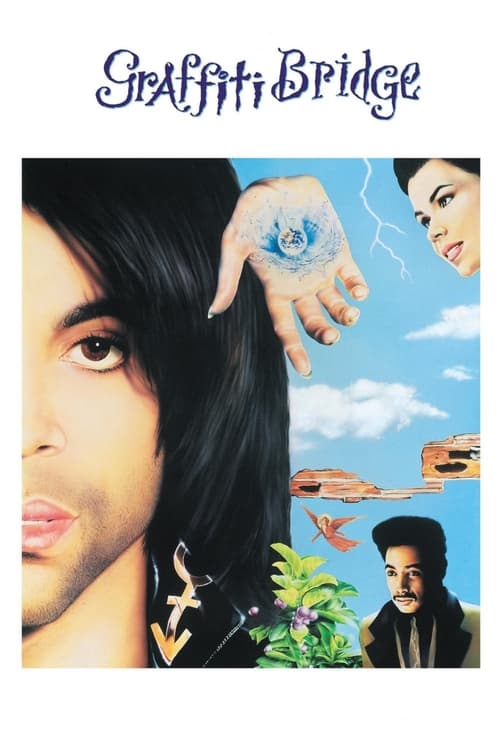
1990
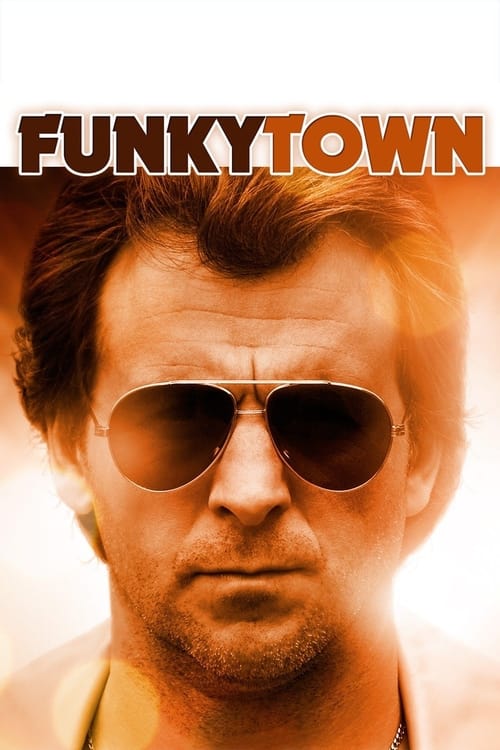
2011
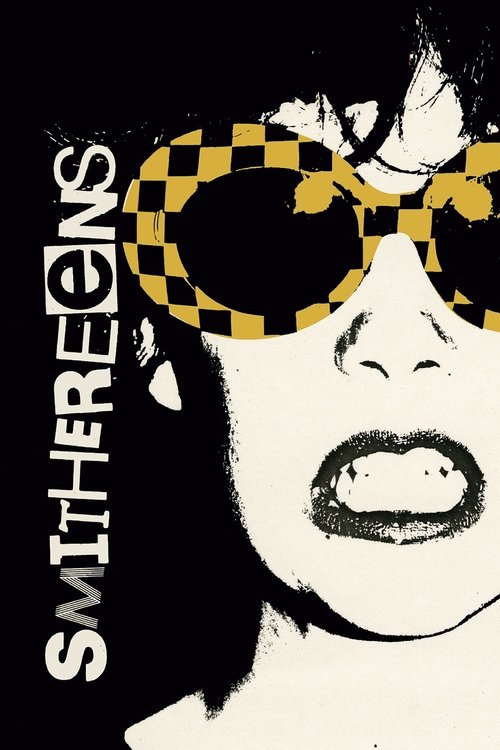
1982
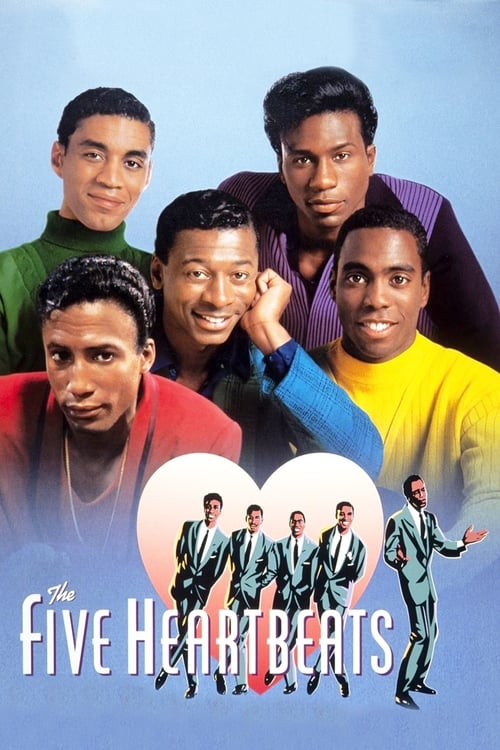
1991
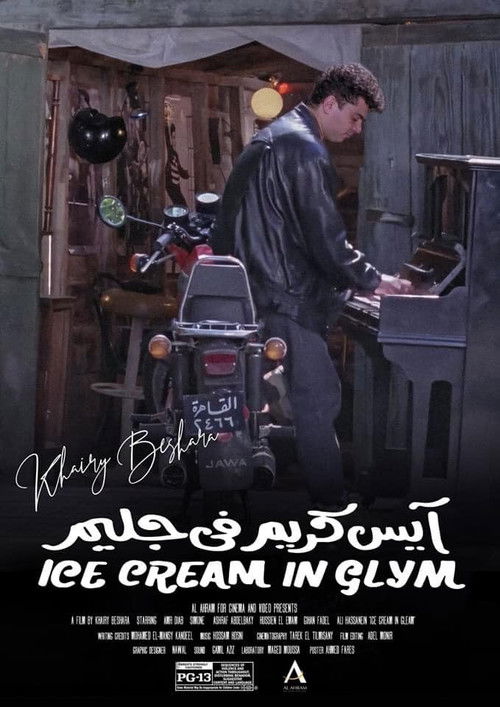
1992

1985
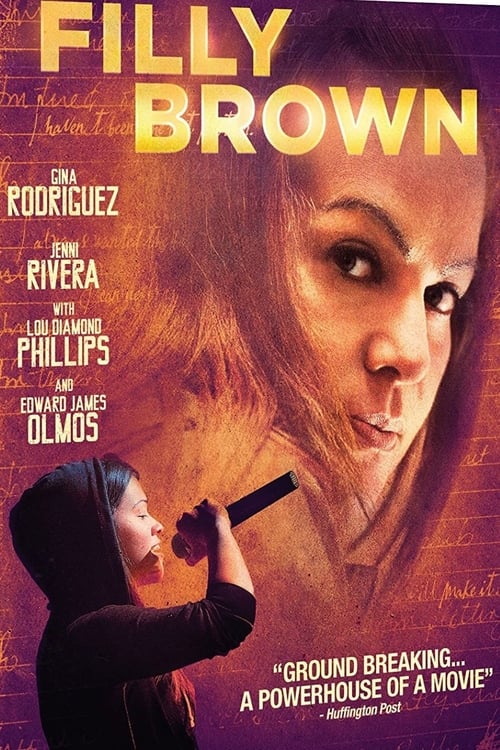
2013
No reviews yet. Be the first to share your thoughts on this movie!
Use the rating form above to leave a star rating and optional review.