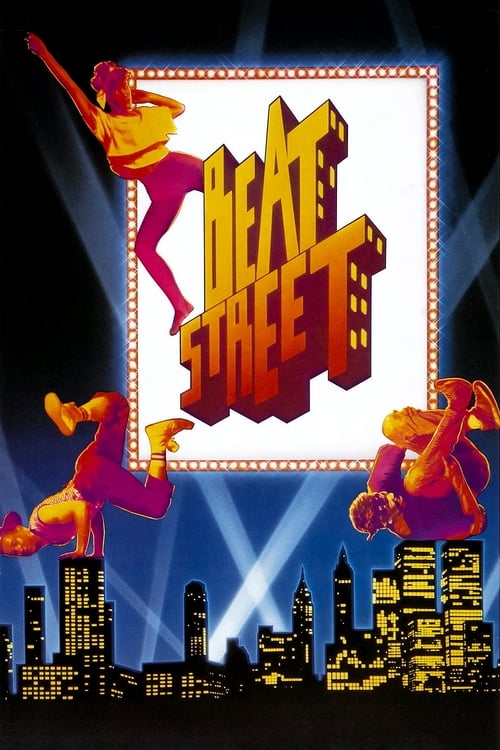
Beat Street
1984
5.0 out of 5 stars based on 1 rating
Representation score: 5.7 out of 10
Representation Score
Excellent
1990
PG-13Director
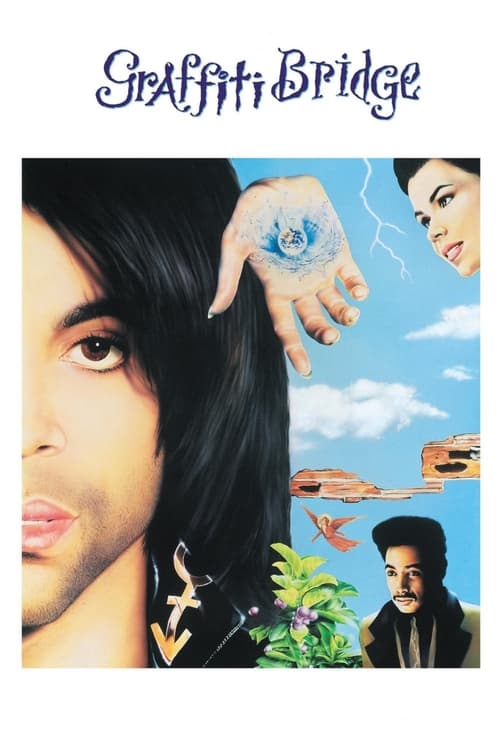
Prince
Runtime
95 minutes
Average Rating
No ratings yetNew Showbiz Analysis
Prince uses his creative background to challenge mainstream cultural expectations and genre boundaries. The film critiques institutional conformity by empowering underrepresented creative voices. It excels in its racial and cultural disruption, centering Black ability to act and urban experiences. By making Black musical traditions the narrative engine, it avoids including someone from a minority group without giving them real depth common in its era. However, the focus on a central male protagonist limits the subversion of gender hierarchies. Additionally, the narrative lacks specific engagement with disability-related experiences.
Category Breakdown
The film explores LGBTQ identities through musical performances, avoiding typical stereotypes. It integrates gender fluidity into the aesthetic of the performers, focusing on identities that go beyond traditional binary frameworks.
Female characters in the film explore personal autonomy within the music industry. They move beyond submissive roles but the story focuses heavily on the male protagonist's star persona.
The film features a predominantly Black cast, disrupting 1990s cinema norms. It centers the Black urban experience in Minneapolis, prioritizing a Black-centric worldview over Anglo-centric norms.
The narrative highlights the creative class as a counter-cultural force against rigid social structures. It emphasizes community-based art and subjective morality over traditional Western capitalist success metrics.
Character struggles are primarily framed through socioeconomic and existential lenses. The story lacks specific engagement with physical or neurodivergent disabilities.
Present on Screen
Limited or Absent
Official Synopsis
It's got that Purple Rain feeling through and though. And it's got The Kid, too! For the first time since Purple Rain, Prince is back as The Kid. And where he goes, there's music! With Thieves in the Temple, New Power Generation, Elephants and Flowers and more red-hot Prince tunes from the Platinum-selling Graffiti Bridge soundtrack. What time is it? Party time! Morris Day and the Time play Release It, Shake! and more. And you'll also see and hear George Clinton, Tevin Campbell, Robin Power, Mavis Staples and other hot performers, too. Graffiti Bridge is where the movie meets the music. Cross over on it now.
1984
1981
1991
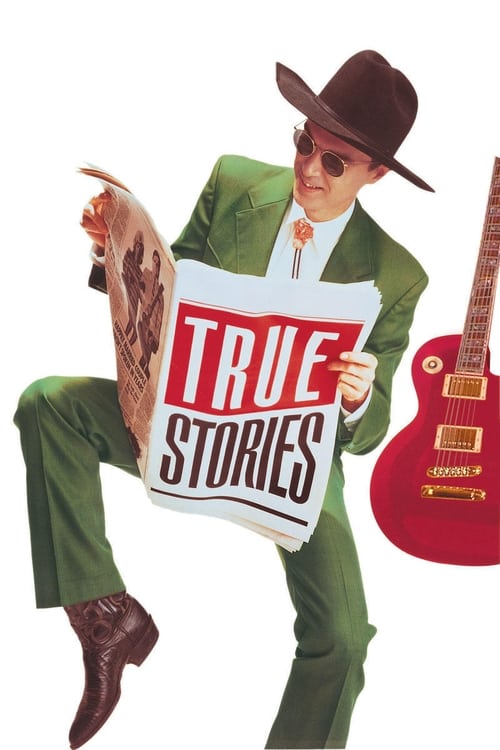
1986
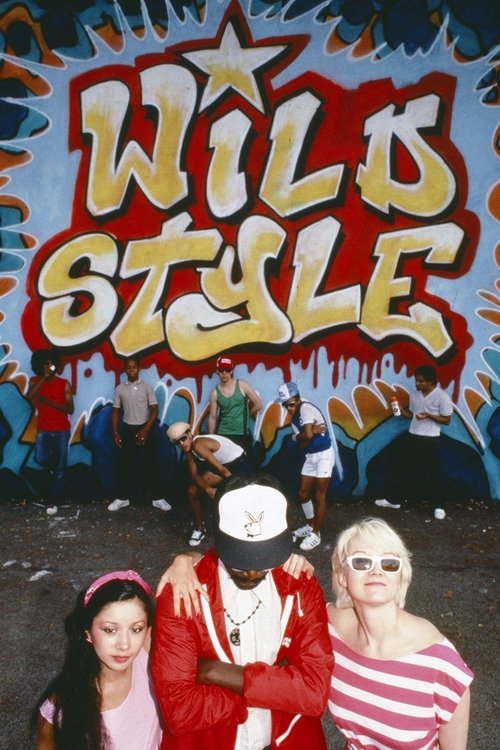
1982
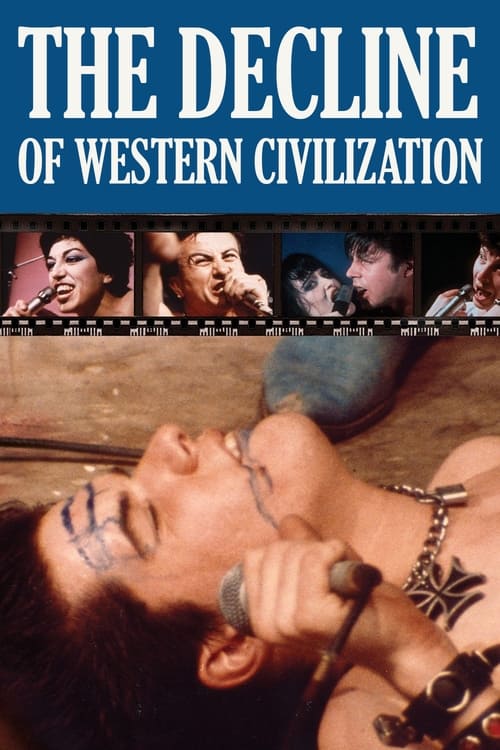
1981

1985
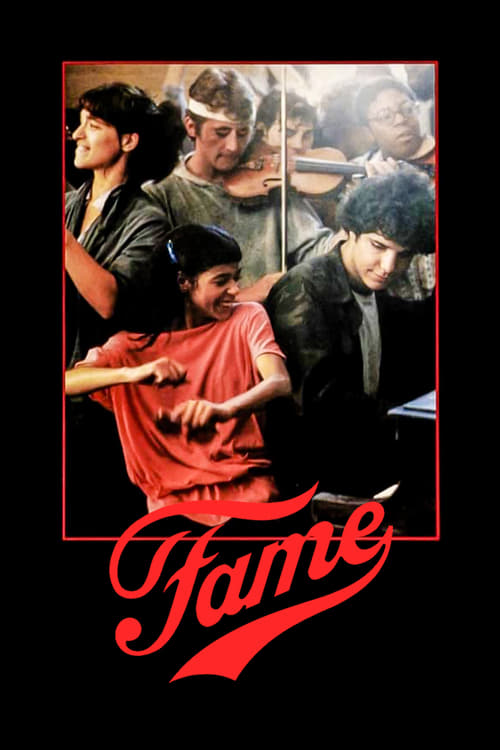
1980
No reviews yet. Be the first to share your thoughts on this movie!
Use the rating form above to leave a star rating and optional review.