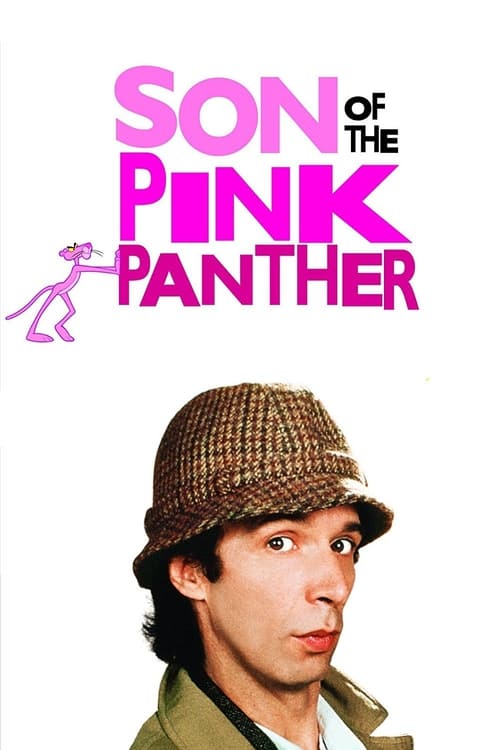
Son of the Pink Panther
1993
No user ratings available yet
Representation score: 3.0 out of 10
Representation Score
Limited
1998
PG-13Director
Jim Abrahams
Runtime
84 minutes
Average Rating
No ratings yetNew Showbiz Analysis
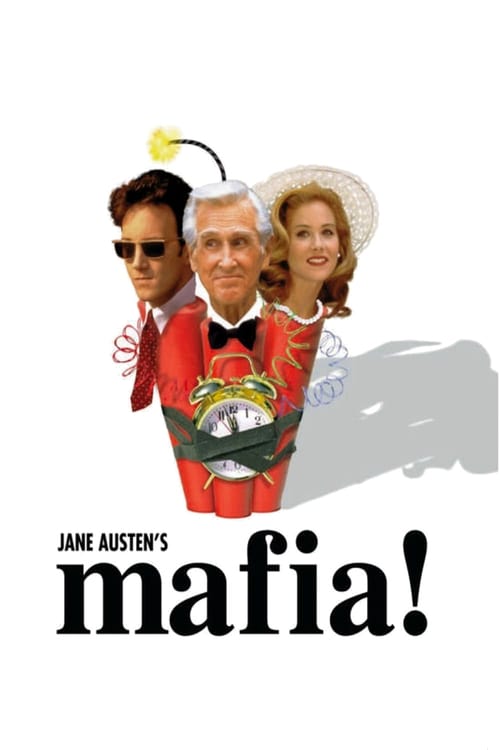
Jane Austen's Mafia! is a postmodern parody that finds its strength in structural deconstruction rather than demographic breadth. By blending the polite etiquette of the Regency era with the violent mechanics of the mob, the film undermines traditional social hierarchies and institutional morality. While the film lacks significant LGBTQ+ or non-white representation, it offers a meaningful disruption of gendered expectations. The shift from submissive female clichés to empowered mob matriarchs provides a comedic but nuanced change in power dynamics. Ultimately, the work functions as a genre exercise that prioritizes absurdity and moral relativism over inclusive casting, remaining largely confined to established European-descended archetypes.
Category Breakdown
The film focuses on patriarchal Mafia succession and Regency-style romantic entanglements. It lacks significant LGBTQ+ representation or narratives that critique the assumption that everyone is straight or cisgender.
Women play key roles as mob matriarchs rather than passive domestic figures. This subverts traditional Regency clichés by giving female characters a significant role in driving the story within a criminal power structure.
The cast centers on Anglo-Saxon aristocracy and Italian-American crime archetypes. It lacks significant non-white or characters who reflect more than one aspect of diversity, staying within European-descended demographics.
The narrative applies high-society etiquette to organized crime, challenging traditional Western social institutions. It uses moral relativism to disrupt conventional portrayals of law and order.
There is no discernible focus on visible or invisible disabilities within the narrative.
Present on Screen
Limited or Absent
Official Synopsis
After growing up poor in Salmonella, Vincenzo Cortino installs himself as the preeminent, if bumbling, Mafia don of the New World. But now he must pass on power to one of his two sons: either level-headed veteran Anthony or vituperative loose cannon Joey.
1993
1949
1999
1951
1987
1988
2023
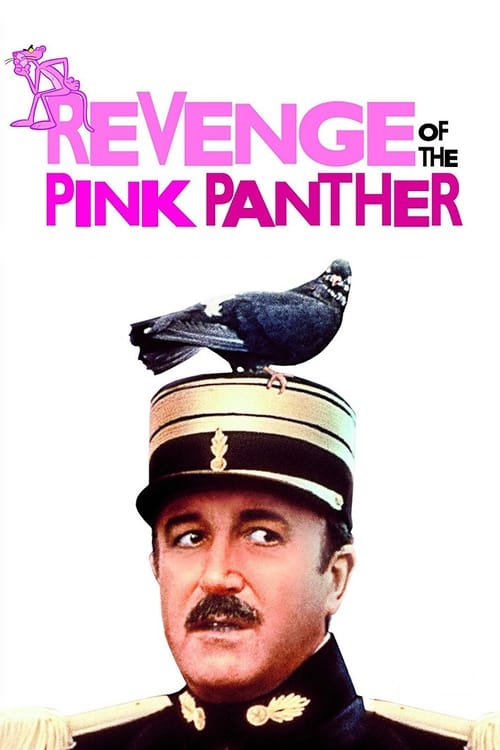
1978
No reviews yet. Be the first to share your thoughts on this movie!
Use the rating form above to leave a star rating and optional review.