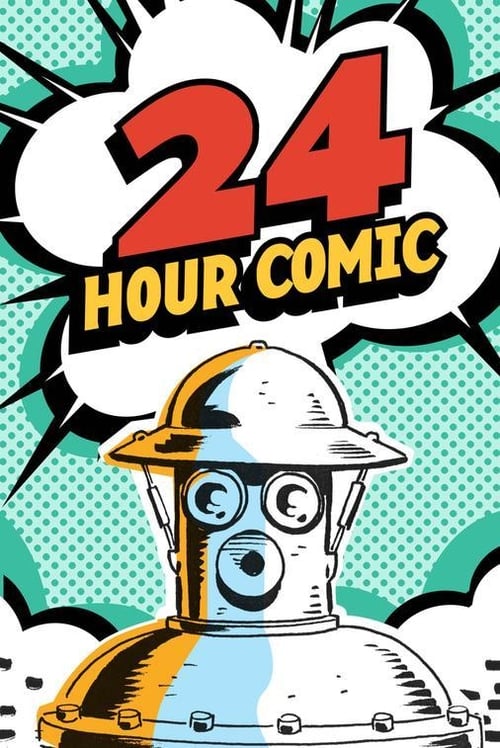
24 Hour Comic
2017
No user ratings available yet
Diversity score: 5.4 out of 10

2016
Director
Kevin Burke
Runtime
81 minutes
Average Rating
No ratings yetSynopsis
A documentary exploring the birth, death and resurrection of illustrated movie poster art. Through interviews with a number of key art personalities from the 70s and 80s, as well as many modern, alternative poster artists, “Twenty-Four by Thirty-Six” aims to answer the question: What happened to the illustrated movie poster? Where did it disappear to, and why? In the mid 2000s, filling the void left behind by Hollywood’s abandonment of illustrated movie posters, independent artists and galleries began selling limited edition, screenprinted posters — a movement that has quickly exploded into a booming industry with prints selling out online in seconds, inspiring Hollywood studios to take notice of illustration in movie posters once more.
Overall Score
Fair
Category Breakdown
LGBTQ+ Representation
The film focuses on the evolution of graphic design and poster art. There is little evidence of explicit non-heteronormative narratives or specific LGBTQ+ character arcs.
Gender Representation
Contributors within the illustration industry are presented with a balanced view. The film maintains a neutral, professional tone without actively seeking to subvert traditional gender roles.
Racial & Ethnic Diversity
The cast reflects the professional landscape of the art world through a globalized lens. However, the narrative does not center on specific racial struggles or systemic critiques.
Religious & Cultural Diversity
The documentary highlights a shift from corporate Hollywood dominance to decentralized art movements. It celebrates individual creative autonomy over centralized capitalist structures.
Disability Representation
The film contains no mention of disability representation. The narrative remains strictly focused on the history and resurrection of illustrated movie poster art.
Strengths
Areas for Improvement
AI Analysis
24×36 serves as a specialized study of a niche creative ecosystem. It finds its progressive value in disrupting the traditional Hollywood monopoly by favoring independent models of cultural expression. While the film elevates alternative voices and provides a platform for non-traditional creators, it lacks deep intersectional focus. The narrative prioritizes the medium of illustration over identity politics or systemic social critiques. Ultimately, the documentary succeeds as an artistic history but remains a professional survey rather than a social commentary.
2017
2016
2018

2020
2019
2020
2017

2014
2006
1997
2018
2015
No reviews yet. Be the first to share your thoughts on this movie!
Use the rating form above to leave a star rating and optional review.