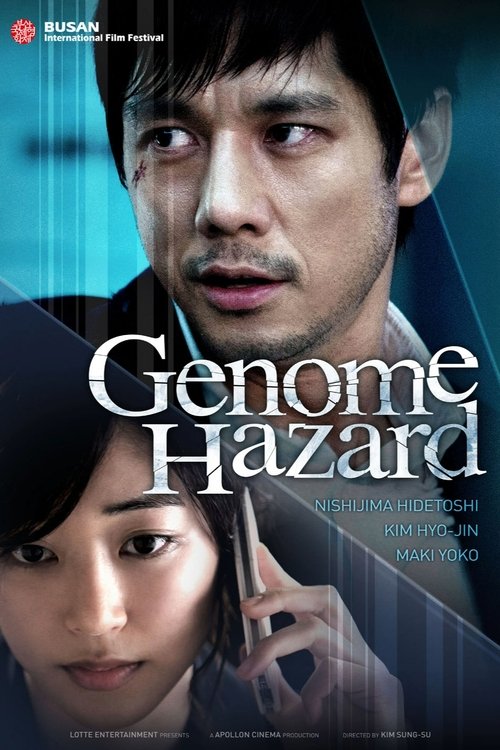
Genome Hazard
2014
No user ratings available yet
Representation score: 4.5 out of 10
Representation Score
Good
2008
Director
Yoon In-ho
Runtime
116 minutes
Average Rating
No ratings yetNew Showbiz Analysis
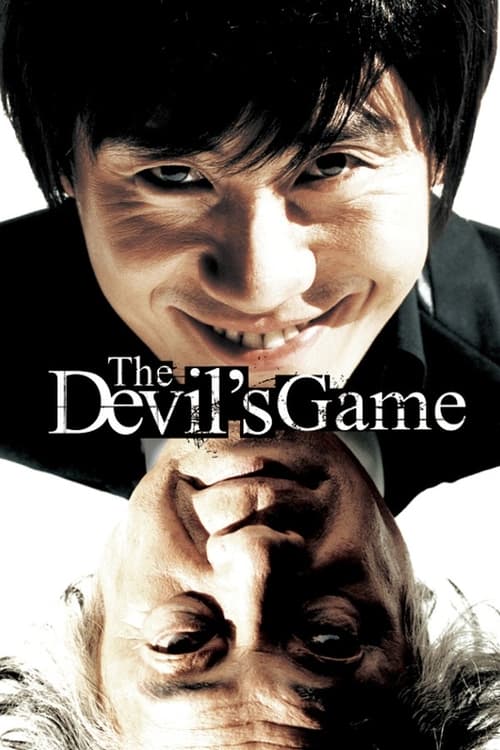
The Devil's Game uses a body-swap concept to explore the idea of identity. By putting a male character in a female body, the film questions traditional gender roles and physical ability to act. While the film effectively highlights class warfare and the disparity between the poor and the wealthy, it focuses mainly on a South Korean context, limiting its broader social scope. The film serves as a psychological thriller where identity disruption creates tension, focusing on class and gender issues through a narrow lens.
Category Breakdown
The body-swap premise allows for questioning the stability of identity. However, the film does not show explicit examples of queer identities or same-sex relationships.
The story challenges traditional views of masculinity by putting a male protagonist in a female body. This swap disrupts the usual understanding of gender.
As a South Korean film, the cast is mostly made up of people from the same background. It does not include diverse racial or ethnic groups.
The story criticizes the unfairness of capitalist systems and wealth. It highlights the struggles of an artist against a rich and powerful figure, showing the gap between the poor and the rich.
The film uses terminal illness and brain surgery as plot points. These elements might be used more as ways to create tension than to show the real experiences of living with disabilities.
Present on Screen
Limited or Absent
Official Synopsis
Struggling artist Min Hee-do is offered three billion won to bet his life to a game against a rich old man, Kang No-sik, who is dying from a terminal illness. The game is for each man to dial a random phone number and guess if the person who answers will be male or female. Hee-do loses the bet, and after a month long brain operation, he wakes up to find that they have swapped bodies.
2014
2019
1995

2016

2023

2020
2013

2018
No reviews yet. Be the first to share your thoughts on this movie!
Use the rating form above to leave a star rating and optional review.