Break a Leg
2005
No user ratings available yet
Representation score: 5.6 out of 10
Representation Score
Minimal
2011
RDirector
Matt Berman, Kevin Farley
Runtime
95 minutes
Average Rating
No ratings yetNew Showbiz Analysis
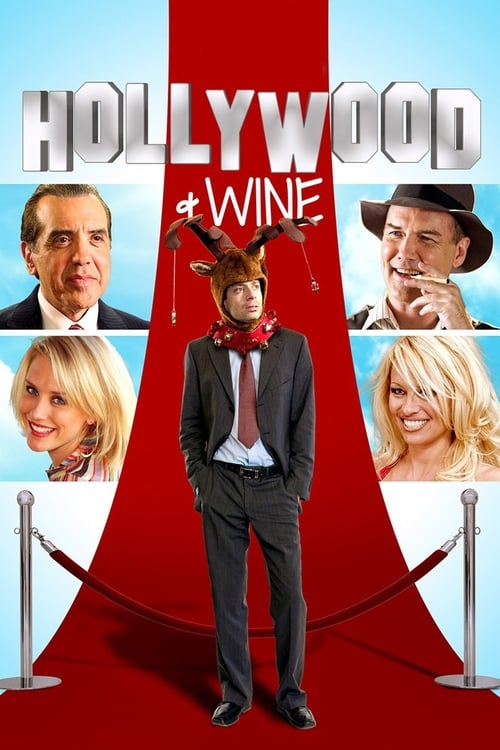
Hollywood & Wine operates as a conventional genre piece relying heavily on established clichés of celebrity and crime. The film lacks the intentionality needed to challenge social hierarchies or offer meaningful representation of multiple identities. The narrative structure prioritizes comedic conflict over social commentary. While it features a female lead, the story remains tied to traditional patriarchal structures of fame and industry rejection. Overall, the film presents a narrow view of the entertainment industry. It lacks diverse casting and fails to engage with queer identities or cultural critiques.
Category Breakdown
The film doesn't include any queer characters or non-binary identities. The main romantic relationship is between Diane and Jack, following a traditional heterosexual pattern.
The story centers around a female protagonist named Diane, but her role is limited by industry rejections. The male lead, Jack, is portrayed as incompetent, which slightly disrupts traditional masculine stereotypes.
The film focuses on Hollywood archetypes, suggesting a homogeneous cast. There are no characters of color driving the plot or showing diverse backgrounds.
The story touches on themes of debt and fame but doesn't critically examine Western institutions. It functions as a typical crime comedy without addressing cultural issues.
The film doesn't mention any visible or invisible disabilities. There is no representation of neurodivergence or mental health conditions.
Present on Screen
Limited or Absent
Official Synopsis
Diane Blaine has the face of a movie star. Unfortunately, fallen star/tabloid queen Jamie Stephens already made it famous. Hollywoods constant rejection due to what Diane refers to as "TJS" ("Too Jamie Stephens") has made her bitter, frustrated....and, yes, whiny. Co-worker/boyfriend Jack Sanders doesn't help matters. His idea of ambition is letting it ride. Now he's in major debt to a trigger-happy mobster who, interestingly enough, has a thing for Jamie Stephens. Jack's only way out? Convince Diane to be Jamie and wipe out the debt having one meal with a made man. It's literally the performance of her life. With Jack's on the line.
2005
2004
1993

2006
2002
2007
2001
2012
No reviews yet. Be the first to share your thoughts on this movie!
Use the rating form above to leave a star rating and optional review.