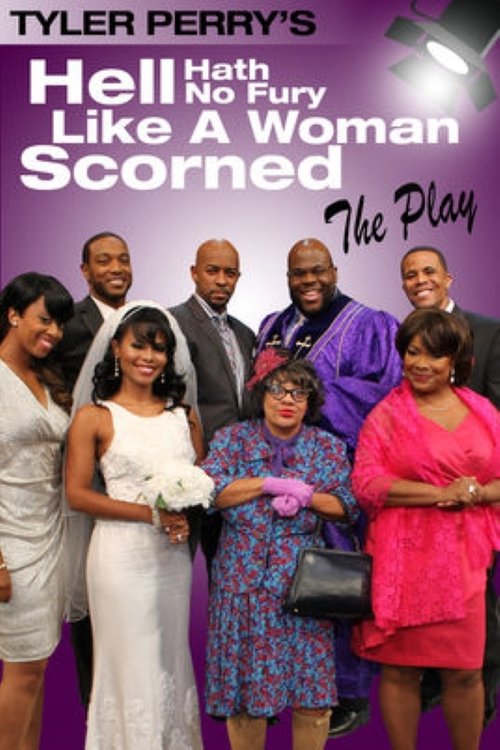
Tyler Perry's Hell Hath No Fury Like a Woman Scorned - The Play
2014
No user ratings available yet
Representation score: 4.8 out of 10
Representation Score
Fair
2019
TV-14Director
Terri J. Vaughn
Runtime
83 minutes
Average Rating
No ratings yetNew Showbiz Analysis
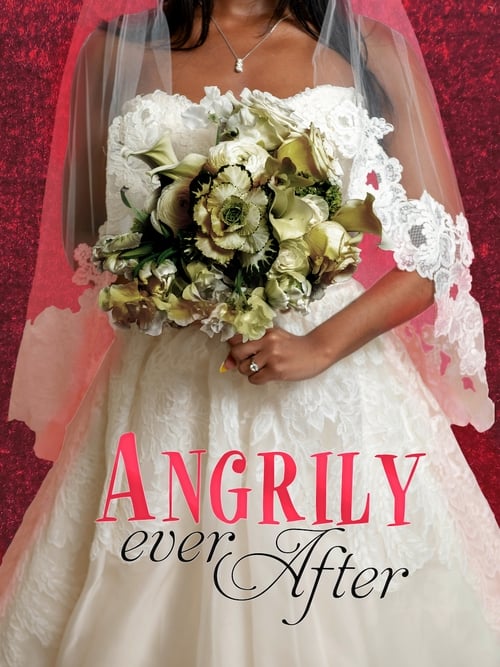
Angrily Ever After succeeds as a character-driven story that challenges conventional romantic clichés. By focusing on a Black female protagonist, the film moves away from homogeneous casting norms and emphasizes personal recovery after systemic collapse. The production excels in racial representation through its ensemble cast and professional setting. However, the narrative remains centered on interpersonal conflicts rather than broader systemic or multi-layered issues. While the film avoids derogatory clichés, it lacks visible LGBTQ+ representation and does not address disability, leaving those areas of representation unexplored.
Category Breakdown
The film focuses on heterosexual relationships and does not include any explicit representation of LGBTQ+ identities or non-cisgender narratives.
The story emphasizes the protagonist's resilience and challenges traditional romantic expectations. It highlights the importance of personal growth over traditional gender roles.
The film features a predominantly Black ensemble cast in actively leading professional roles, challenging historical media norms around the visibility of Black professionals.
The plot examines the fragility of the 'ideal' Western life, presenting marriage and professional stability as unstable rather than foundational elements.
There is no mention of characters dealing with physical, neurodivergent, or mental health disabilities in the provided material.
Present on Screen
Limited or Absent
Official Synopsis
Tia Logan is the envy of every woman and desire of every man. She is young, gorgeous and about to have it all. Aside from securing the coveted morning news anchor position at WBX DC television station, she is a week away from marrying DC's most eligible bachelor, Malcolm Wright. In final preparation for her wedding, Tia and her best friend Jillian run last minute wedding errands. While at her final wedding dress fitting, Tia sees her fiance' walking down the street exhibiting serious PDA with another woman. In full wedding attire, Tia runs outside and all hell breaks loose. Within a 24 hour time period, Tia looses everything: her new fiance', her career and her home. How in the world will she ever recover and will she ever be able to find her "Happily Ever After"?
2014
2018
2009
2014

2018
2018

2014

2001
No reviews yet. Be the first to share your thoughts on this movie!
Use the rating form above to leave a star rating and optional review.