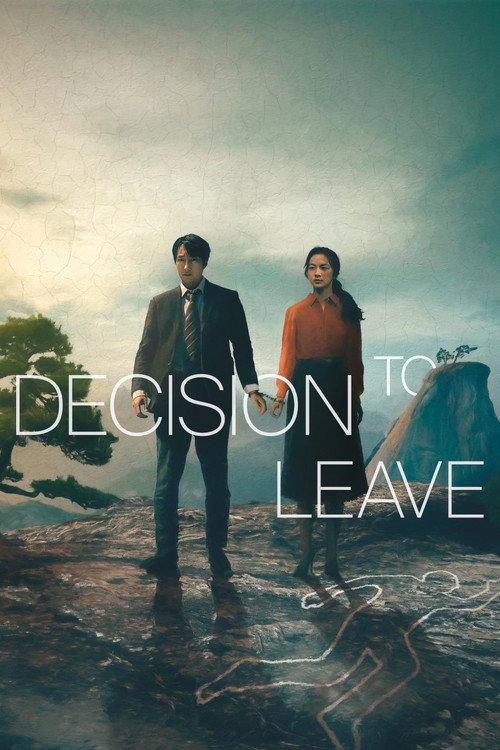
Decision to Leave
2022
No user ratings available yet
Diversity score: 6.3 out of 10

1979
RDirector
Jonathan Demme
Runtime
102 minutes
Average Rating
No ratings yetSynopsis
Secret agent Harry Hannan suffers a mental breakdown when a botched mission in Mexico results in the death of his wife. He is sent to a mental asylum, after which he eventually returns to work. But, once again, he begins to doubt his sanity when he receives a bizarre death threat written in Hebrew. Not knowing which of his colleagues wants to kill him, Hannan teams up with pretty young college student Ellie Fabian to attempt to unravel the mystery.
Overall Score
Fair
Category Breakdown
LGBTQ+ Representation
The film lacks focus on non-heteronormative identities. Queer narratives are not central to the story's thematic exploration.
Gender Representation
Female agency is prioritized, disrupting traditional patriarchal hierarchies. The narrative frames women as active agents navigating systemic oppression rather than passive subjects.
Racial & Ethnic Diversity
The setting remains relatively homogeneous, reflecting era-specific genre conventions. Hebrew-coded elements add cultural complexity but serve primarily as plot devices.
Religious & Cultural Diversity
The film critiques religious and communal structures as instruments of social pressure. It positions personal truth against rigid, dogmatic morality.
Disability Representation
Mental health is explored through the protagonist's breakdown and institutionalization. The story questions the validity of systemic 'sanity' versus individual perception.
Strengths
Areas for Improvement
AI Analysis
Jonathan Demme’s thriller succeeds as a critique of institutional hegemony. It effectively subverts traditional social hierarchies by centering female agency and questioning the authority of religious and medical establishments. While the film excels in its deconstruction of Western morality and bodily autonomy, it remains limited by a homogeneous racial landscape. The cultural elements present are more functional to the mystery than deep explorations of identity. Ultimately, the film is a sophisticated study of the outsider struggling against systemic control, though it offers little representation for LGBTQ+ perspectives.
No reviews yet. Be the first to share your thoughts on this movie!
Use the rating form above to leave a star rating and optional review.