
Unstoppable
2004
No user ratings available yet
Diversity score: 3.7 out of 10
2002
RDirector
Bryan Goeres
Average Rating
No ratings yetSynopsis
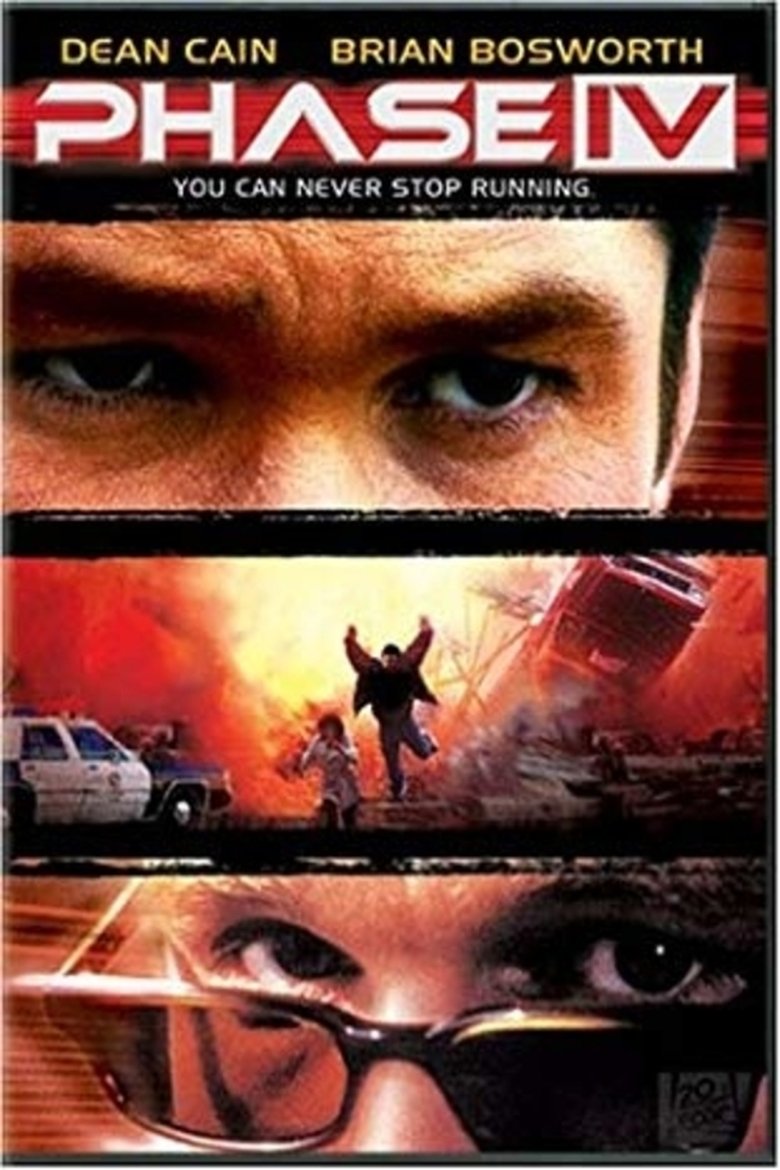
Journalism student Simon Tate thinks it's strange when four students at the university suddenly die in "unrelated" accidents. When his friend, Dr. Benjamin Roanic, becomes the prime suspect and is suddenly murdered, Simon sets out to prove his innocence. He soon discovers the students were Roanic's test subjects in a secret drug test program, and had been cured of AIDS. He is forced to run for his life, when a pharmaceutical company tries to prevent him from revealing the truth behind "Phase IV".
Overall Score
Limited
Category Breakdown
LGBTQ+ Representation
The film focuses on a journalistic investigation into medical ethics and corporate conspiracy. There are no LGBTQ+ characters or narratives addressing non-cisnormative identities.
Gender Representation
Agency is concentrated within male characters, specifically Simon Tate and Dr. Benjamin Roanic. The narrative lacks the portrayal of non-traditional gender roles or subversion of hierarchies.
Racial & Ethnic Diversity
The story centers on a secret drug test program and its subsequent cover-up. There is no indication of a diverse cast or diverse ethnic perspectives.
Religious & Cultural Diversity
The film offers a critique of systemic power by framing a pharmaceutical company as a corrupt entity. This disrupts the portrayal of Western institutions as inherently benevolent.
Disability Representation
The plot involves a medical breakthrough regarding AIDS treatment. However, characters appear as plot catalysts or victims rather than individuals with agency regarding their medical conditions.
Strengths
Areas for Improvement
AI Analysis
Phase IV follows a conventional thriller structure centered on corporate malfeasance and individual heroism. The narrative architecture relies on a standard conspiracy framework that lacks intersectional complexity. While the film engages in institutional critique by questioning the ethics of capitalism and pharmaceutical power, it does so through a narrow lens. The story prioritizes the mechanics of a cover-up over diverse identity-driven agency. Ultimately, the film lacks the diverse casting and varied perspectives necessary to move beyond traditional genre tropes.
2004
2002
2005
2001
2002

2012

2000

2007
2002
1998
2002

2021
No reviews yet. Be the first to share your thoughts on this movie!
Use the rating form above to leave a star rating and optional review.