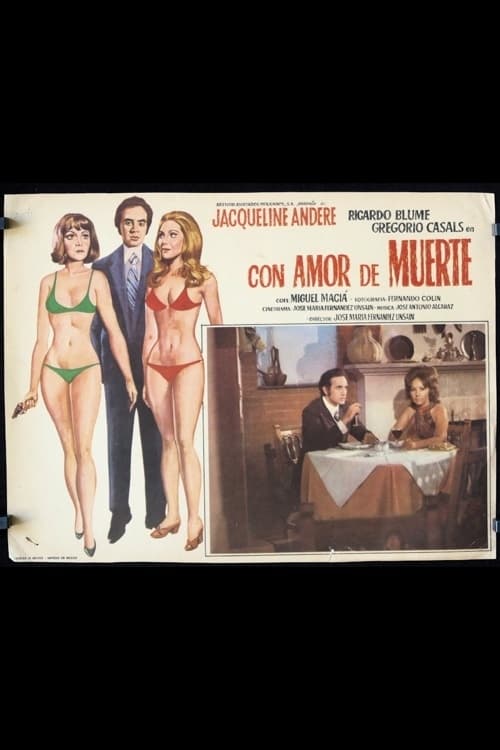
Con amor de muerte
1974
No user ratings available yet
Representation score: 0.8 out of 10

Representation Score
Minimal
2007
B15Average Rating
No ratings yetNew Showbiz Analysis
Amores que matan is a typical psychological thriller from 2007. Its narrative structure prioritizes genre conventions and interpersonal tension over diverse representation or progressive social commentary. The film offers a non-English linguistic framework but lacks specific evidence of diverse casting or subversion of traditional social hierarchies. Character dynamics seem rooted in established genre clichés. Ultimately, the production lacks verified data on LGBTQ+ presence, disability representation, or significant cultural critique, reflecting a conventional approach to storytelling.
Category Breakdown
The film doesn't include any visible LGBTQ+ characters or stories. It follows typical heterosexual relationship conflicts found in psychological thrillers.
Gender dynamics likely revolve around high-stakes conflicts between male and female characters. These roles may rely on traditional stereotypes like the femme fatale or victimhood.
The Spanish-language production provides a non-Anglo-Saxon cultural setting. There is no information on whether the casting challenges traditional racial hierarchies.
The narrative centers on individual psychological struggles without addressing institutional or religious issues. It operates within a secular, genre-driven framework.
There is no mention of neurodivergence or physical disabilities. Mental health conditions are not used as central, empowered character traits.
Present on Screen
Limited or Absent
1974

2005
1976

1986

2017

2008

1992

2007
No reviews yet. Be the first to share your thoughts on this movie!
Use the rating form above to leave a star rating and optional review.