After Tonight
1933
No user ratings available yet
Representation score: 1.4 out of 10
Representation Score
Limited
1933
PassedDirector
Richard Boleslawski
Runtime
78 minutes
Average Rating
No ratings yetNew Showbiz Analysis
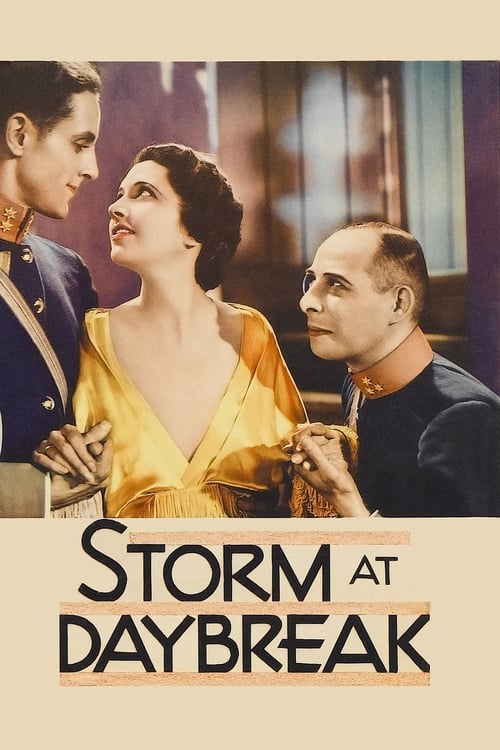
Storm at Daybreak is a period drama that emphasizes geopolitical tension and the personal relationships caught up in the events of history. While it avoids the clichés of modern progressive cinema, it provides a specific ethnic nuance by focusing on the friction between Serbian and Hungarian identities. The film's emphasis remains on male-driven political and military themes. The social dynamics are shaped by the looming shadow of World War I and the dissolution of imperial structures, leaving little room for diverse perspectives outside of the central European male experience. Ultimately, the work functions as a traditional historical drama. It captures the tension of a changing era but lacks the layered depth or meaningful representation found in more contemporary storytelling.
Category Breakdown
The film does not include any representation of LGBTQ+ identities or same-sex relationships. It follows traditional structures typical of 1933 cinema, which assumes everyone is straight or cisgender.
The story centers around male-dominated social and military interactions between Dushan and Geza. Although a wife is mentioned, women play minor roles and have little influence over the plot.
The film highlights the Serbian and Hungarian identities of the main characters, adding ethnic complexity. However, the setting remains confined to a white, Eurocentric environment.
The movie examines the fall of the Austro-Hungarian Empire and its impact on society. It uses the historical context of World War I to show the upheaval of imperial structures.
There is no information available regarding the portrayal of physical or neurodivergent disabilities in this production.
Present on Screen
Limited or Absent
Official Synopsis
Sarajevo June 28, 1914. Dushan, the Serbian mayor of a Hungarian town, has come to see the parade of Archduke Ferdinand. While there he runs into Geza, an old friend in the Hungarian Army and invites him to come to his house and visit him and his new wife.
1933
1953
1937
1994
1926
1931
1933
2002
No reviews yet. Be the first to share your thoughts on this movie!
Use the rating form above to leave a star rating and optional review.