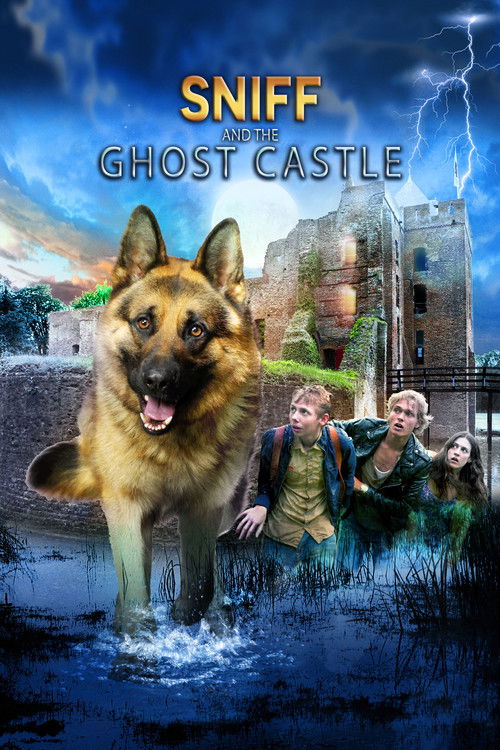
Snuf de Hond en het Spookslot
2010
No user ratings available yet
Representation score: 3.3 out of 10

Representation Score
Limited
2020
Director
Mariusz Palej
Runtime
97 minutes
Average Rating
No ratings yetNew Showbiz Analysis
Black Mill functions primarily as a localized genre piece. It prioritizes traditional adventure storytelling within a specific historical and geographic context, focusing on a group of children navigating supernatural dangers. The film lacks the complexity of intersecting identities. It does not actively challenge traditional hierarchies or offer diverse character perspectives, resulting in a narrative that feels culturally specific but narrow. While the setting offers a window into post-communist identity, the story remains rooted in conventional coming-of-age structures and standard moral conflicts.
Category Breakdown
The film does not include explicit LGBTQ+ character arcs or challenge the assumption that everyone is straight or cisgender. The narrative centers on children facing supernatural threats in a post-communist setting.
The story follows traditional adventure clichés centered around a youthful protagonist. There is no evidence of challenging traditional masculinity or subverting gender hierarchies.
The setting in a small, post-communist town implies a relatively homogeneous demographic. The film lacks intentional racial blending or casting actors from diverse backgrounds.
The film explores post-communist identity and the decay of industrial history. However, it relies on traditional moral stakes rather than deep systemic critiques.
There is no information regarding characters with visible or invisible disabilities. No representation is present in the available narrative details.
Present on Screen
Limited or Absent
Official Synopsis
Twelve-year-old Iwo lives in a small, post-communist town that is home to the old and destroyed Black Mill – once a place of work for many parents. Breaking the promise to not approach the old mill, the children accidentally unleash its evil powers. From that moment, nothing will ever be the same again as people and things start to disappear.
2010

2021

2022
2007
2014
2009

2011
2018
No reviews yet. Be the first to share your thoughts on this movie!
Use the rating form above to leave a star rating and optional review.