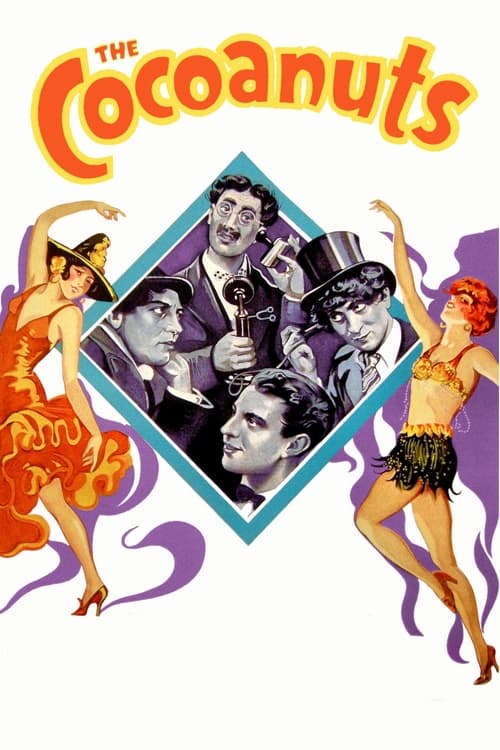
The Cocoanuts
1929
No user ratings available yet
Representation score: 2.8 out of 10
Representation Score
Minimal
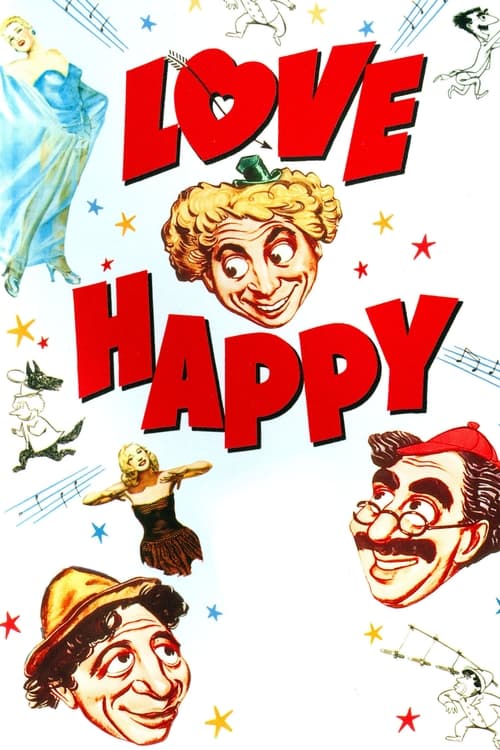
1949
NRDirector
David Miller
Runtime
85 minutes
Average Rating
No ratings yetNew Showbiz Analysis
Love Happy functions as a classic Golden Age studio musical, prioritizing escapism and established comedic archetypes over social exploration. The film operates within a culturally monolithic framework that upholds the status quo of the 1940s. While Judy Garland delivers a strong central performance, the narrative structure remains bound by traditional gender roles and straight-centered romantic pursuits. The casting and setting reflect a homogeneous social landscape typical of the era's Hollywood productions. Ultimately, the film lacks the intentionality needed to challenge social hierarchies, offering a standardized viewing experience that avoids questioning Western values or systemic structures.
Category Breakdown
The film does not feature any LGBTQ+ characters or non-cisgender identities. Romantic subplots follow traditional straight-centered patterns typical of the era's musical genre.
Judy Garland plays a significant role as the emotional center with strong vocal performances. However, the film adheres to traditional mid-century gender roles and conventional courtship dynamics.
The cast is predominantly white, reflecting the homogeneous makeup typical of 1940s studio productions. The setting emphasizes the standard demographic norms of the time.
The narrative upholds traditional Western social structures and capitalist entertainment environments. It does not question or critique established institutions.
There is no depiction of physical, sensory, or neurodivergent disabilities. Characters are portrayed as able-bodied performers and patrons.
Present on Screen
Limited or Absent
Official Synopsis
The Marx Brothers help young Broadway hopefuls when they get mixed up with gangsters due to a tin of sardines containing Romanoff diamonds.
1929
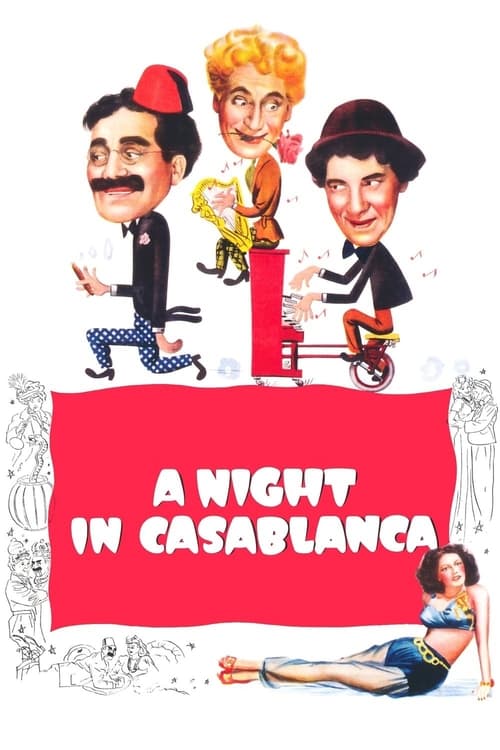
1946

1948

1931
1959
1940

1940
1932
No reviews yet. Be the first to share your thoughts on this movie!
Use the rating form above to leave a star rating and optional review.