Murder Runs in the Family
2023
No user ratings available yet
Representation score: 3.3 out of 10
Representation Score
Limited
1993
RDirector
Matthew Patrick
Runtime
100 minutes
Average Rating
No ratings yetNew Showbiz Analysis
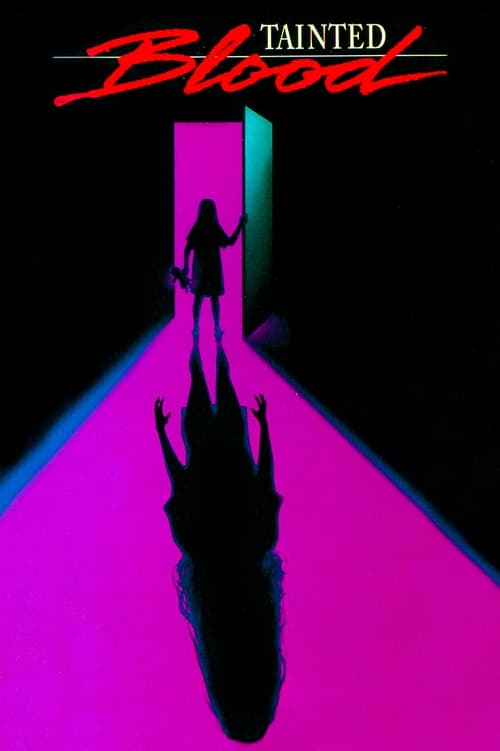
Tainted Blood is a psychological thriller that prioritizes the suspense of a hereditary mystery over exploring diverse identities. The narrative structure relies heavily on conventional thriller clichés, focusing on a cycle of violence and genetic determinism. The film lacks visible progressive representation, particularly regarding LGBTQ+ identities and disability. Female characters are central to the plot but operate within established cinematic frameworks rather than challenging social norms. Ultimately, the work functions as a traditional mid-90s television piece, reinforcing standard social orders through its focus on a specific familial lineage.
Category Breakdown
The film focuses on familial violence and genetic lineage. There is no evidence of LGBTQ+ identities or same-sex relationships.
Female characters play key roles in the investigation and biological themes. However, their roles follow traditional thriller clichés rather than challenging gender hierarchies.
The narrative centers around a specific, likely homogeneous lineage. Although the cast includes diverse names, the plot follows traditional casting norms.
The story explores themes of biological fatalism within the mystery genre. It does not explicitly promote anti-Western or secularist narratives.
The plot uses genetic predisposition to violence as a driver of dread. There is no evidence of characters with disabilities having significant roles.
Present on Screen
Limited or Absent
Official Synopsis
After a 17-year-old shoots his parents dead and then turns the gun on himself, an investigative reporter makes a disturbing discovery. The adopted boy was born to a mother who, as a teen, inexplicably murdered her parents as well. Even more alarming is the discovery that the dead boy has a twin, who may also be genetically predisposed to kill.
2023
1956
1990
2018
2017

1985
2006

1997
No reviews yet. Be the first to share your thoughts on this movie!
Use the rating form above to leave a star rating and optional review.