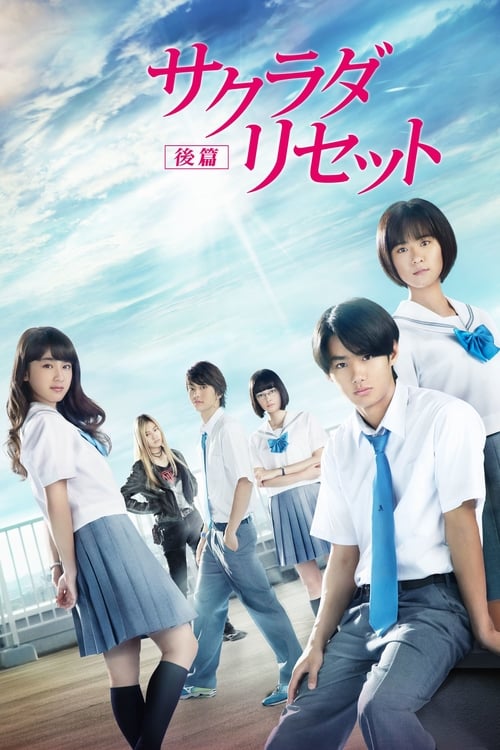
Sagrada Reset Part 2
2017
No user ratings available yet
Representation score: 7.0 out of 10

Representation Score
Good
2017
Director
Yoshihiro Fukagawa
Runtime
103 minutes
Average Rating
No ratings yetNew Showbiz Analysis
Sagrada Reset Part 1 offers a unique exploration of ability to act through its supernatural premise. The film centers a female protagonist whose powers dictate the narrative's direction, providing a refreshing break from traditional hierarchies. However, the film's diversity is limited by its cultural and social scope. The homogeneity of the cast and the absence of LGBTQ+ representation result in a narrow demographic lens. Ultimately, the film's strength lies in its metaphorical treatment of cognitive differences. While it lacks multi-layered breadth, it uses its sci-fi elements to question standard social and temporal frameworks.
Category Breakdown
The film does not include explicit representations of LGBTQ+ identities or relationships that go beyond the assumption that everyone is straight or cisgender. The main storyline revolves around the partnership between Kei Asai and Misora Haruki.
Misora Haruki is a central female character whose ability to reset time drives the entire plot. Her actions play a significant role in driving the story forward, giving her substantial influence over the narrative.
The film features a predominantly homogeneous cast, reflecting its Japanese origin and source material. There is no indication of multicultural casting or actors portraying characters from different racial backgrounds.
The story explores moral ambiguity by challenging the linear cause-and-effect structure. Set in a traditional school environment, the fluid nature of time questions established social norms.
Characters' special abilities, such as exceptional memory and time manipulation, act as metaphors for neurodivergence. However, it is unclear whether these traits are shown as empowering or burdensome.
Present on Screen
Limited or Absent
Official Synopsis
In the town of Sakurada, where about half of the residents have special abilities, high schooler Kei Asai is able to remember everything. His classmate Misora Haruki has the power to reset the world by three days. If they combine their powers, they can go back in time by three days and retain their memory.
2017
2019

1995

2021
2021

2024

1997

2014
No reviews yet. Be the first to share your thoughts on this movie!
Use the rating form above to leave a star rating and optional review.