
The Sickle or the Cross
1949
No user ratings available yet
Representation score: 1.6 out of 10
Representation Score
Limited
1966
Director
Walter Grauman
Runtime
90 minutes
Average Rating
No ratings yetNew Showbiz Analysis
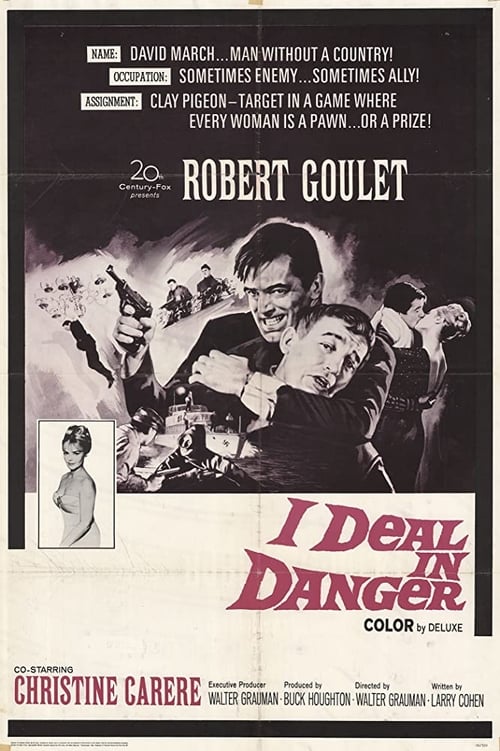
I Deal in Danger is a product of its era, functioning as a mid-century suspense drama that prioritizes genre clichés over social complexity. The narrative focuses on the moral ambiguity of a double agent, yet this exploration remains confined to the geopolitical tensions of World War II. The film lacks intentionality regarding diverse representation. It relies on traditional wartime archetypes that favor male protagonists and Western-centric perspectives, offering little representation for underrepresented groups. Ultimately, the work reflects the representational constraints of 1960s television, prioritizing procedural suspense and established moral frameworks over the disruption of social hierarchies.
Category Breakdown
The production does not include any LGBTQ+ characters or narratives. It adheres to the standard heterosexual social structures typical of 1966 television.
The espionage narrative centers on male-driven political maneuvering and wartime roles. Female characters are relegated to supporting roles, reinforcing traditional 1960s gender roles.
Casting likely reflects the homogeneous Western perspectives of the mid-1960s. The focus on American and Nazi geopolitics offers limited emphasis on non-white or diverse identities.
The story explores patriotism and betrayal within a traditional Western wartime framework. It operates within established moral boundaries rather than challenging Western institutions.
There is no indication that disability, neurodivergence, or chronic illness play any role in the character arcs or central narrative.
Present on Screen
Limited or Absent
Official Synopsis
During World War II, an American who sympathizes with the Nazi cause defects to Germany, where he is greeted as a hero and given a job broadcasting propaganda to the West. What the Nazis don't know is that he is actually a double agent. Compilation of the show Blue Light.
1949
1959
1964

1965
1939
1952
1943
1960
No reviews yet. Be the first to share your thoughts on this movie!
Use the rating form above to leave a star rating and optional review.