
Platonic Sex
2001
No user ratings available yet
Representation score: 8.3 out of 10
Representation Score
Fair
2004
Director
Hiroshi Ando
Runtime
83 minutes
Average Rating
No ratings yetNew Showbiz Analysis
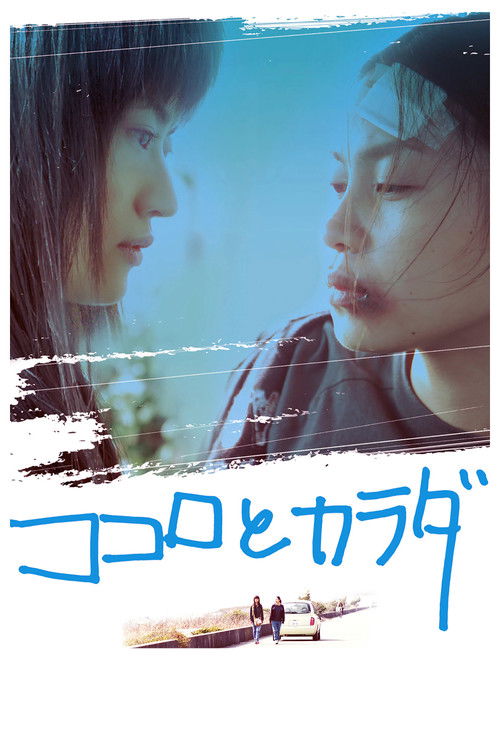
Mind and Body is a gritty drama that centers on the survival and autonomy of women living on the fringes of society. By focusing on characters involved in sex work and vigilante-style protection, the film challenges conventional expectations of female passivity and domesticity. The narrative highlights underrepresented experiences and non-traditional social structures. It replaces mainstream moral stability with a subjective, survivalist worldview where characters must create their own codes of conduct. While the film lacks multi-ethnic casting or explicit LGBTQ+ identity markers, its thematic focus on women's ability to drive the story and unconventional companionship offers a meaningful departure from sanitized, mainstream cinema.
Category Breakdown
The film depicts an unconventional domestic relationship between two women, suggesting a departure from traditional heterosexual norms. Specific romantic identities are not defined, but their shared life implies a break from conventional relationships.
The story focuses on women's autonomy and survival in the face of systemic violence. It challenges traditional views by showing women navigating independence and sex work outside of male influence.
As a Japanese production, the film features a predominantly homogeneous cast reflecting its local cultural context. There is no indication of Western-centric casting or whitewashing.
The narrative questions social stability by centering on characters living on the fringes of morality. It emphasizes a gritty, subjective reality over traditional institutional or religious norms.
There is no mention of physical or neurodivergent disabilities in the available information, so no representation in this category can be assessed.
Present on Screen
Limited or Absent
Official Synopsis
A few years ago, when Tomomi (Hiroko Akune) was on the way home from school, she saw her friend Keiko (Misaki Mori) about to be raped by a man. Tomomi hit the man in the head with a stone and saved Keiko. In the present, Keiko, has buried her past, sells her body in Tokyo. One day, Keiko is contacted by Tomomi. They haven't spoken since their high school graduation. They meet and Keiko lets Tomomi stay at her apartment. Soon, the bizarre lives of the two women begins, with Tomomi also selling her body.
2001

1956

1981

2004

2001

2013

2004

1981
No reviews yet. Be the first to share your thoughts on this movie!
Use the rating form above to leave a star rating and optional review.