
Tangier
1946
No user ratings available yet
Representation score: 2.7 out of 10
Representation Score
Minimal
1949
NRDirector
William Dieterle
Runtime
104 minutes
Average Rating
No ratings yetNew Showbiz Analysis
Rope of Sand is a product of mid-century Hollywood that upholds the social and racial hierarchies of its time. The narrative focuses on Western protagonists and traditional archetypes, offering little room for challenging systemic power structures. The film's setting uses local populations as secondary figures to support a colonial perspective. This approach maintains a hierarchy where Western travelers drive the plot while local cultures remain largely atmospheric. Ultimately, the work serves as a period drama that upholds established social norms. It lacks representation for LGBTQ+ identities and individuals with disabilities, adhering to the conservative storytelling conventions of 1949.
Category Breakdown
The film does not include any LGBTQ+ characters or non-cisgender identities. Relationships between characters follow the heterosexual norms of the 1940s.
Women in the film are primarily motivated by romantic tension and societal expectations. The story relies on traditional gender roles and does not challenge male authority.
The cast is mainly composed of white actors. Local populations are used as background elements within a colonial framework, rather than as central characters.
The story follows a conventional Western moral framework. It emphasizes survival and social order without questioning Western institutions.
The film does not depict any visible or invisible disabilities. There are no character arcs centered around neurodivergence or physical impairments.
Present on Screen
Limited or Absent
Official Synopsis
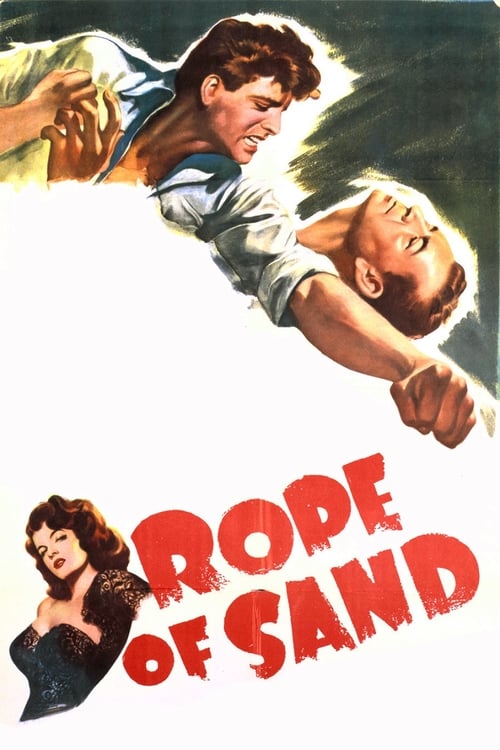
Story of a South African diamond mine watched over by a sadistic policeman tasked with looking out for smugglers.
1946

1937

1950

1958

1940

1940

1949

1952
No reviews yet. Be the first to share your thoughts on this movie!
Use the rating form above to leave a star rating and optional review.