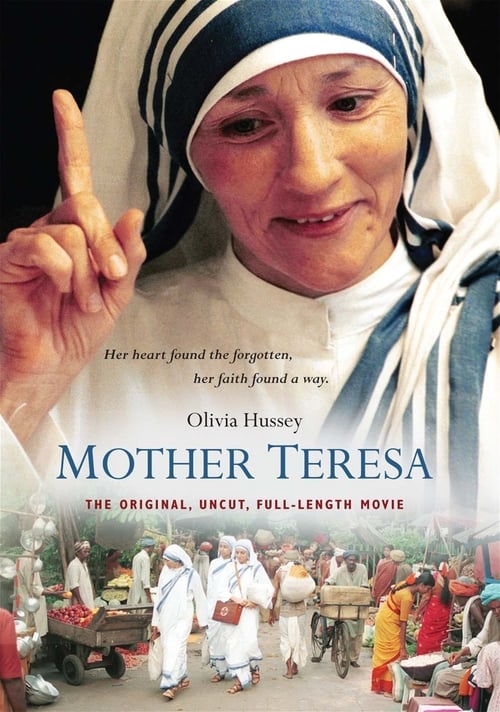
Mother Teresa of Calcutta
2003
No user ratings available yet
Diversity score: 3.6 out of 10
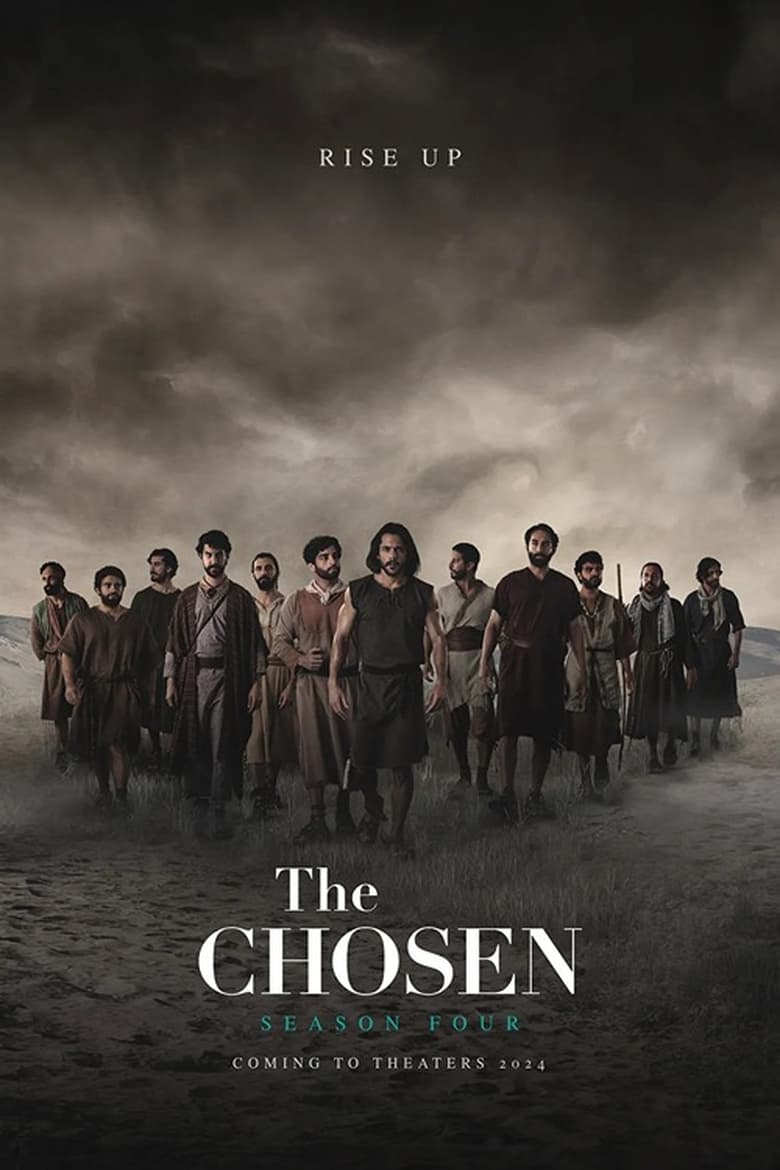
2024
Director
Dallas Jenkins
Runtime
546 minutes
Average Rating
No ratings yetSynopsis
Clashing kingdoms. Rival rulers. The enemies of Jesus close in while His followers struggle to keep up, leaving him to carry the burden alone. Threatened by the reality of Jesus' growing influence, religious leaders do the unthinkable—ally with their Roman oppressors. As the seeds of betrayal are planted and opposition to Jesus' message turns violent, he's left with no alternative but demand his followers rise up.
Overall Score
Limited
Category Breakdown
LGBTQ+ Representation
The series lacks LGBTQ+ characters or non-heteronormative romantic arcs. The narrative remains strictly aligned with the historical and theological context of 1st-century Judea.
Gender Representation
Women hold significant, active roles within the community of followers. While they navigate a male-dominated landscape with agency, the story remains rooted in traditional period dynamics.
Racial & Ethnic Diversity
A multi-ethnic cast accurately reflects the Levant's historical melting pot. This avoids monolithic Westernized depictions and disrupts conventional Hollywood tropes regarding Middle Eastern history.
Religious & Cultural Diversity
The narrative is built upon singular religious morality and traditional spiritual values. It emphasizes communal stability rather than exploring secularism or moral relativism.
Disability Representation
Themes of physical healing and infirmity are present. However, these often serve as catalysts for miraculous intervention rather than exploring neurodivergence or disability advocacy.
Strengths
Areas for Improvement
AI Analysis
The Chosen: Season 4 excels in ethnic authenticity, utilizing a diverse cast to ground the story in its specific geopolitical reality. This avoids the common pitfall of Westernizing Middle Eastern history. However, the series prioritizes theological fidelity over modern intersectional representation. The narrative is anchored in traditional moral frameworks and religious hierarchies, which limits its engagement with progressive sociopolitical themes. While women are given agency, the show remains bound by the social structures of the era. It functions primarily as a defense of religious institutions rather than a critique of them.
2003
1999

2000
2014

2012
1998

2000

1951

2023
No reviews yet. Be the first to share your thoughts on this movie!
Use the rating form above to leave a star rating and optional review.