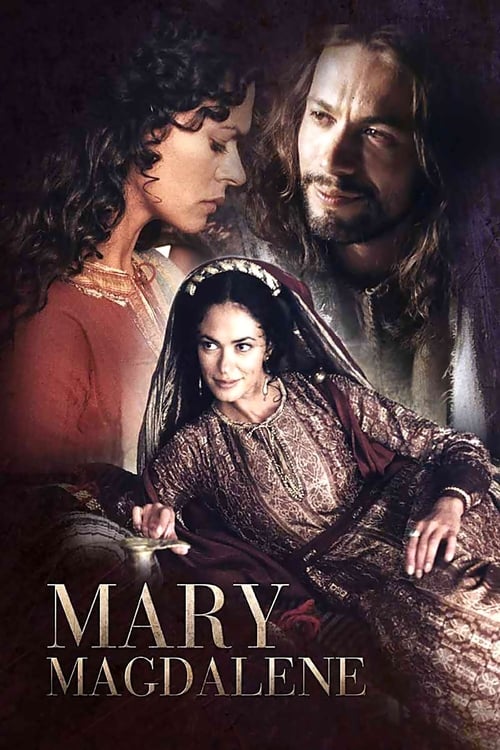
Mary Magdalene
2000
No user ratings available yet
Representation score: 2.2 out of 10

Representation Score
Minimal
2004
Director
Raffaele Mertes
Runtime
93 minutes
Average Rating
No ratings yetNew Showbiz Analysis
The Apocalypse functions as a traditional historical drama that emphasizes theological continuity over social disruption. It follows the biblical Book of Revelation, focusing on the conflict between early Christians and the Roman Empire. The film adheres to the established hierarchies of 90 AD. It does not attempt to disrupt conventional social or gendered expectations, instead reinforcing the religious and patriarchal structures of the era. While the setting allows for geographic diversity, the narrative lacks modern multi-layered depth. It remains a period piece centered on religious devotion and historical dramatization.
Category Breakdown
The film focuses on early Christian theology and biblical visions. It doesn't include any LGBTQ+ characters or stories that question the assumption that everyone is straight or cisgender, sticking closely to the traditional social structures of the time.
The story centers on the patriarchal Roman and religious systems. While Irene serves as a messenger to John, her role stays within a traditional framework rather than challenging gender hierarchies.
Set in Asia Minor, the film includes Mediterranean and Near Eastern settings. Representation seems to reflect historical accuracy rather than a modern approach to diverse casting.
The narrative is deeply rooted in singular Christian morality and religious traditions. It reinforces traditional values through the lens of devotion rather than secular critiques.
The film provides no information regarding the portrayal of physical or mental disabilities. There are no characters identified as having visible or invisible disabilities.
Present on Screen
Limited or Absent
Official Synopsis
The film is set in 90 AD and concerns Jesus Christ's last surviving disciple, John of Patmos, and his writings and visions from the Apocalypse of John. Emperor Domitian has declared himself to be God and ruler, over heaven and earth. The Christians do not recognize his divinity and face persecution, from the God Emperor. John has been imprisoned on, the island of Patmos, a Roman mining, penal colony, with many others. He writes out messages of his visions and sends the "Revelation of God", to the seven churches of Greek Asia Minor. The Christian church, in Ephesus, sends Irene to make sure John is alive and to confer with him in person. The movie depicts scenes from the Book of Revelation and links them to events happening to the church in Asia.
2000
2003
1980

1953
1998
2018
1999
2016
No reviews yet. Be the first to share your thoughts on this movie!
Use the rating form above to leave a star rating and optional review.