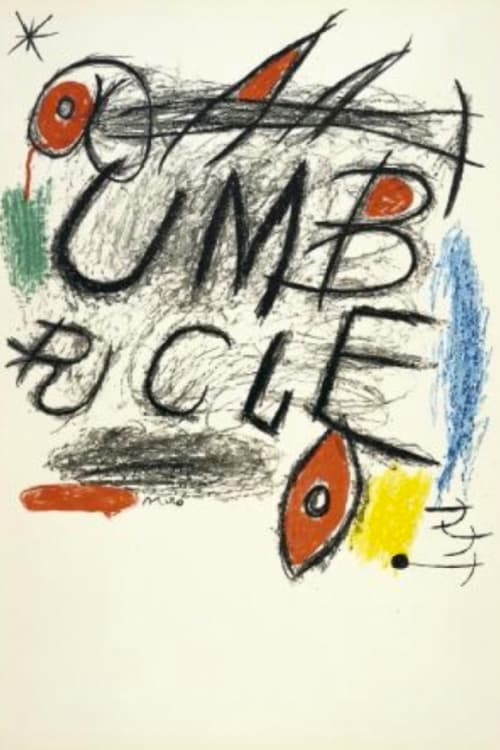
Umbracle
1972
No user ratings available yet
Diversity score: 5.8 out of 10
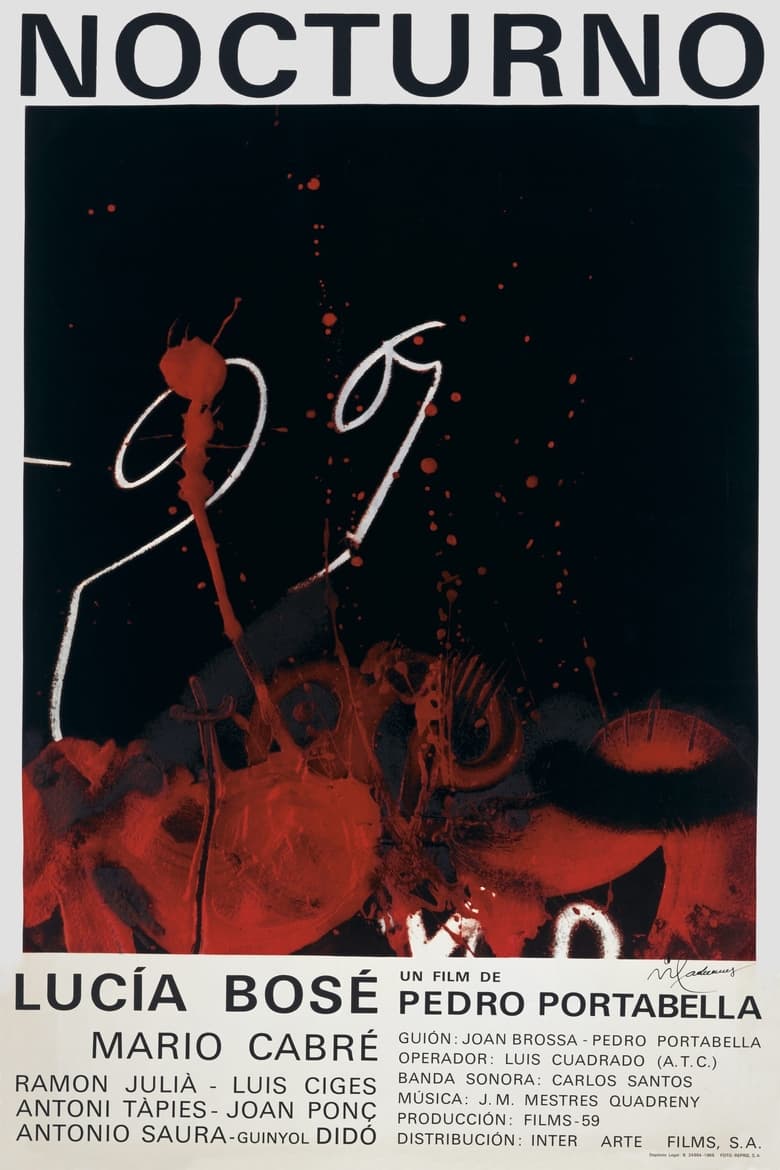
1969
Director
Pere Portabella
Runtime
86 minutes
Average Rating
No ratings yetSynopsis
Portabella’s first feature, co-scripted by poet Joan Brossa, became one of the most influential works of the Barcelona avant-garde, although like all his early films, it circulated only in an underground fashion. Eschewing dialogue, the director constructs a non-narrative story in fragments that reveal the daily lives of an adulterous couple interspersed with a cryptic stream of unrelated imagery. The title of this homage to directors including Eisenstein, Antonioni, Bergman, and Buñuel refers to the 29 “black years” of the Franco dictatorship. — chicago.cervantes.es
Overall Score
Fair
Category Breakdown
LGBTQ+ Representation
The film centers on an adulterous couple, suggesting a departure from rigid moral standards. However, it lacks explicit depictions of non-cisnormative identities.
Gender Representation
By deconstructing the idealized family unit through themes of infidelity, the film critiques traditional gender roles. Its fragmented structure disrupts conventional domestic expectations.
Racial & Ethnic Diversity
The setting and cast appear primarily homogeneous within the context of the Spanish avant-garde. There is no evidence of significant ethnic diversity.
Religious & Cultural Diversity
The work offers high cultural subversion by rejecting traditional cinematic order. It serves as a direct, impressionistic critique of the Franco dictatorship.
Disability Representation
There is no documented evidence regarding the portrayal of physical or neurodivergent disabilities in this work.
Strengths
Areas for Improvement
AI Analysis
Nocturno 29 is a work of systemic critique that prioritizes aesthetic rebellion over demographic variety. It achieves its impact through structural defiance rather than explicit representation of marginalized groups. The film's strength lies in its ability to challenge the political and cultural institutions of 1960s Spain. By eschewing dialogue and linear narrative, it mirrors the fragmentation of identity under an oppressive regime. While the film lacks multiculturalism or queer character arcs, its subversion of state-sanctioned morality provides a profound cultural commentary.
No reviews yet. Be the first to share your thoughts on this movie!
Use the rating form above to leave a star rating and optional review.