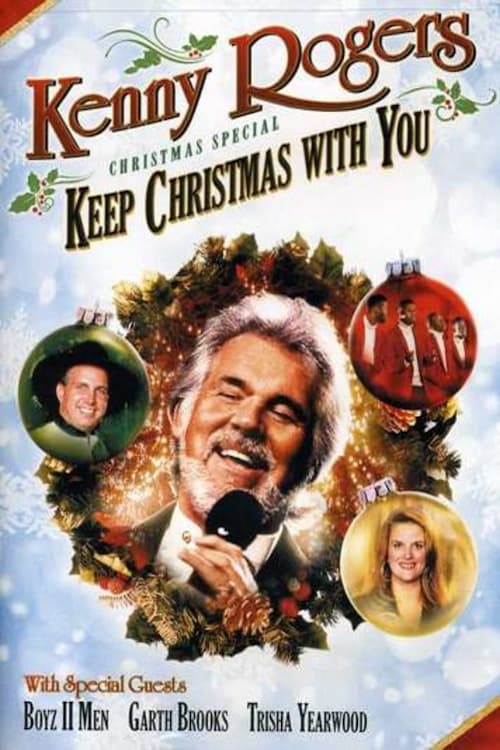
Kenny Rogers: Keep Christmas With You
1992
No user ratings available yet
Representation score: 2.0 out of 10

Representation Score
Limited
1992
GDirector
Larry Jordan
Runtime
30 minutes
Average Rating
No ratings yetNew Showbiz Analysis
This musical broadcast serves as a cultural artifact that prioritizes raw vocal technicality over studio artifice. The performance shifts power from the producer to the individual performer, allowing for an authentic expression of identity. The film's impact is driven by the central role of Mariah Carey and the organic environment of the studio. While not a vehicle for social critique, it challenges the era's homogeneous casting norms through its diverse ensemble. Ultimately, the production provides meaningful representation through its casting and the technical command of its lead, even within a standard commercial framework.
Category Breakdown
The performance focuses on a standard musical repertoire. It does not include explicit representations of LGBTQ+ identities or stories that challenge the assumption that everyone is straight.
The production centers on a female protagonist who has full control over her role. Carey subverts the stereotype of a passive pop star through her technical skill and vocal command.
The film features a biracial lead performer, offering significant representation for the early 1990s. A diverse cast of musicians and a multi-ethnic audience create a varied visual field.
The film operates within a traditional commercial framework without direct criticism. The unplugged format emphasizes an authentic, human-focused presentation over highly produced standards.
There are no visible or mentioned depictions of physical or neurodivergent disabilities within the performance context.
Present on Screen
Limited or Absent
Official Synopsis
Recorded in 1992, this unforgettable performance features Mariah backed by an all-star band in the most intimate of settings. Included are the #1 hits "Emotions", "Someday" and the Jackson 5 classic "I'll Be There" featuring Trey Lorenz. Recorded at Kaufman Astoria Studios, New York on 16 March 1992.
1992
1994
1985
2011
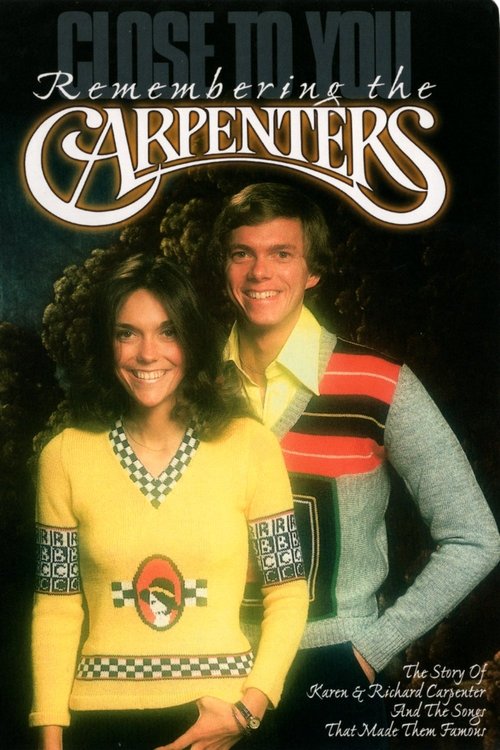
1998
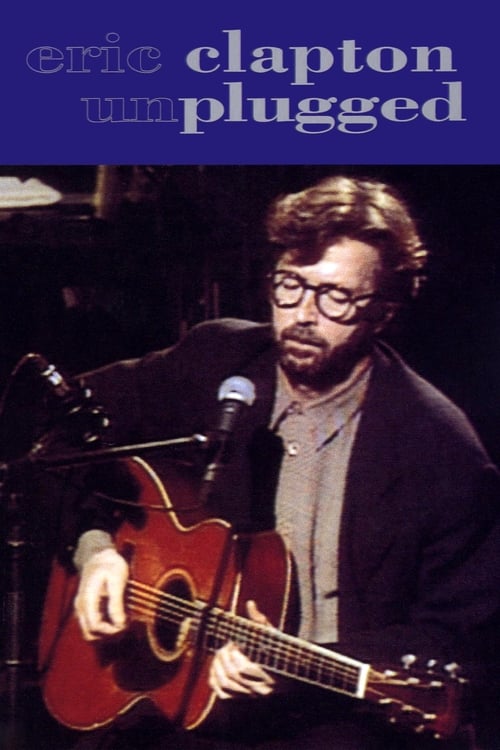
1992
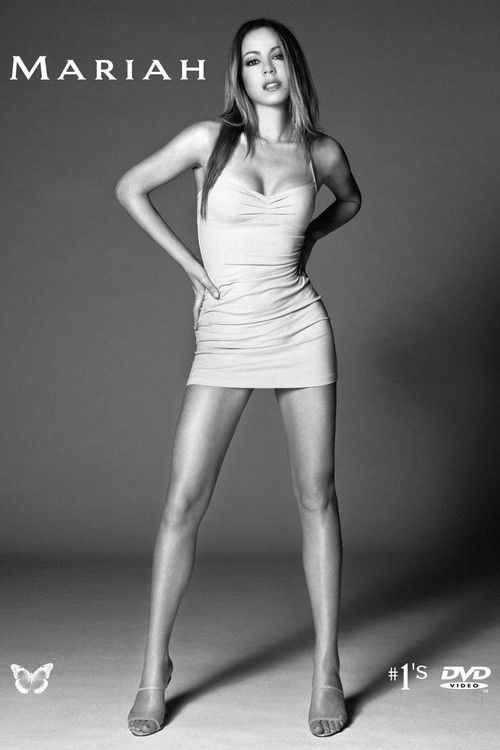
1998

1999
No reviews yet. Be the first to share your thoughts on this movie!
Use the rating form above to leave a star rating and optional review.