A Friend in Tweed
1964
No user ratings available yet
Diversity score: 2.5 out of 10
No Poster Available
1963
ApprovedDirector
Seymour Kneitel
Runtime
7 minutes
Average Rating
No ratings yetSynopsis
A stereotypical Italian landlord who owns a glass shop rents out his room to a drum-playing beatnik - but things get bad when the beatnik starts banging on the drums driving the landlord crazy.
Overall Score
Limited
Category Breakdown
LGBTQ+ Representation
The film lacks LGBTQ+ characters or narratives. The story focuses on a conflict between two male archetypes within a traditional framework.
Gender Representation
The narrative is entirely male-centric. There is no evidence of female characters possessing agency or presence in this patriarchal setting.
Racial & Ethnic Diversity
The film features a stereotypical Italian landlord. This reliance on ethnic tropes suggests a lack of nuanced or high-agency portrayal of Italian identity.
Religious & Cultural Diversity
The plot centers on a clash between a landlord and a beatnik. This framing reinforces traditional social orders rather than critiquing cultural institutions.
Disability Representation
There is no evidence of characters with visible or invisible disabilities in this short.
Strengths
Areas for Improvement
AI Analysis
Drum Up a Tenant is a mid-century animated short that relies heavily on established character archetypes. The narrative structure is built around a localized conflict between a landlord and a beatnik, prioritizing traditional social hierarchies over diverse perspectives. The film's approach to identity is limited. It utilizes ethnic stereotypes for characterization and maintains a strictly male-dominated cast, offering little room for intersectional depth or subversion of the status quo. Ultimately, the work functions as a conventional piece of period animation. It favors predictable tropes and social norms rather than meaningful representation or cultural critique.
1964
1963
1960
1964
1964
1964
1947
1964
1956
1971
1964
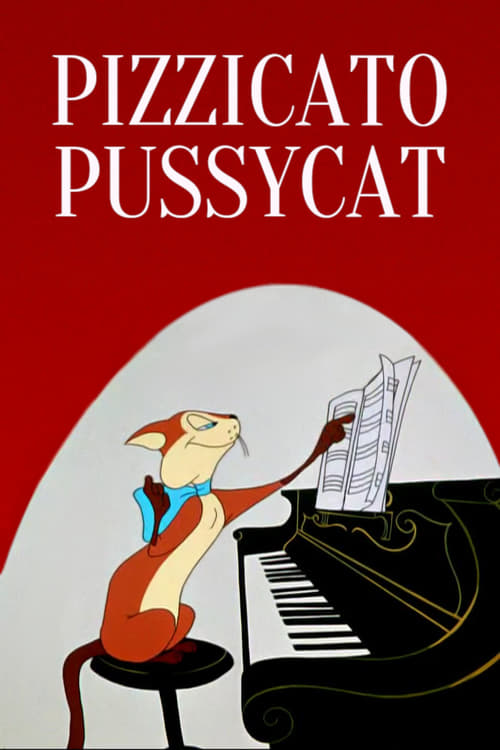
1955
No reviews yet. Be the first to share your thoughts on this movie!
Use the rating form above to leave a star rating and optional review.