
Daddy O! Baby O!
2000
No user ratings available yet
Representation score: 3.6 out of 10
Representation Score
Limited
2003
TV-GDirector
Wenn V. Deramas
Runtime
100 minutes
Average Rating
No ratings yetNew Showbiz Analysis
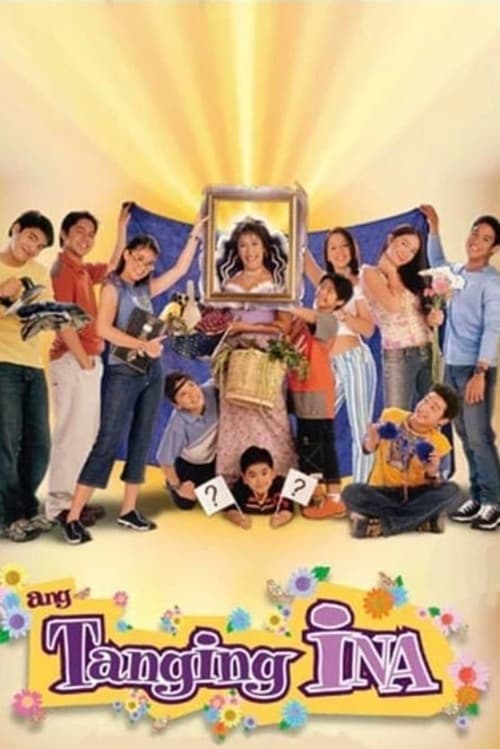
Ang Tanging Ina is a culturally resonant comedy that excels in ethnic authenticity and working-class visibility. It captures the specific socioeconomic textures of the Philippines through a relatable, local lens. However, the film operates within a traditionalist framework. It reinforces conventional gender roles by centering on the 'martyr mother' archetype and upholds standard religious and familial values without challenging them. While the film provides a strong sense of place and identity, it lacks progressive narrative depth regarding gender hierarchies or LGBTQ+ inclusion.
Category Breakdown
The film doesn't include any recognizable LGBTQ+ characters or non-cisgender identities. The social setting focuses on traditional family structures.
Ina plays a central role as an authority figure and provider, highlighting women's influence. However, this portrayal is framed through the cliché of maternal sacrifice, which emphasizes the emotional labor expected of women.
The film features a predominantly Filipino cast, providing high ethnic specificity. It avoids Western-centric casting norms, reflecting local demographics.
The narrative relies on traditional social structures and Catholic elements such as faith and prayer. It portrays the family as a positive institution without questioning traditional values.
There are no prominent depictions of visible or invisible disabilities that play a key role in the plot or serve as central character arcs.
Present on Screen
Limited or Absent
Official Synopsis
Desperate to provide a comfortable life for her children, Ina willingly takes all kinds of jobs available to her. But what happens when Ina's family continues to fall apart despite all her sacrifices?
2000
2008

2010
2003

2006

1987
2004

2013
No reviews yet. Be the first to share your thoughts on this movie!
Use the rating form above to leave a star rating and optional review.