Ang Tanging Ina
2003
No user ratings available yet
Diversity score: 4.1 out of 10
2000
TV-PGDirector
Eric Quizon
Runtime
95 minutes
Average Rating
No ratings yetSynopsis
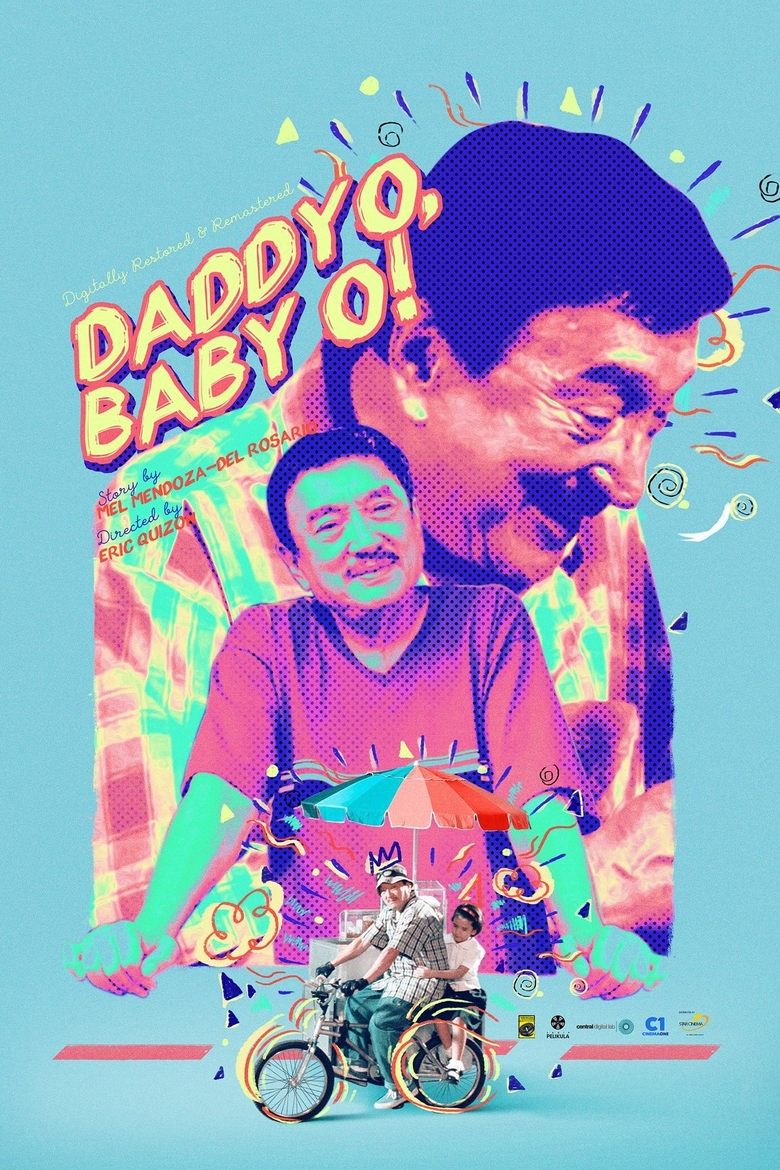
A middle aged bachelor Mario spent his life taking care of his eccentric sister Brenda. He sells goodies in a mobile cart for a living. His daily routine gets a sudden turnaround when his dying friend Arnold made him promise to take care of his daughter Ana. But Ana is not just an ordinary little girl, despite her angelic look; she is cunning and mischievous who is in search of her estranged mother. Mario and Ana agreed that they would earn money to look for Ana’s mother in Cebu, but Ana should tame down. Mario performs his new task as a father to the orphan child in a very unconventional way. But through the help of a beautiful teacher named Maribel, he would always keep things going.
Overall Score
Fair
Category Breakdown
LGBTQ+ Representation
The film lacks explicit LGBTQ+ characters or narratives that critique heteronormativity. The central dynamic between Mario and Maribel suggests a conventional heteronormative structure.
Gender Representation
The story focuses on a male protagonist transitioning from bachelorhood to fatherhood. Female characters like Brenda and Maribel primarily serve as supportive catalysts for Mario's development.
Racial & Ethnic Diversity
As a Filipino production, the film offers naturalistic representation of local identity and geography. It follows standard demographic norms rather than using cross-cultural blending for social commentary.
Religious & Cultural Diversity
The narrative reinforces traditional values regarding duty, loyalty, and familial bonds. It adheres to conventional moral frameworks centered on community and interpersonal responsibility.
Disability Representation
There is no mention of characters navigating physical, neurodivergent, or mental health disabilities. No evidence of disability is present in the narrative.
Strengths
Areas for Improvement
AI Analysis
Daddy O! Baby O! is a conventional family dramedy that prioritizes emotional resonance over the disruption of systemic hierarchies. The film focuses on the personal growth of Mario as he navigates unexpected paternal responsibilities. While the film provides authentic representation of Filipino domestic life and local settings like Cebu, it operates within established social norms. It does not attempt to deconstruct gender roles or explore intersectional identities. Ultimately, the work functions as a mainstream genre piece. It relies on traditional character archetypes and moral frameworks rather than progressive socio-political commentary.
2003
2011
2019
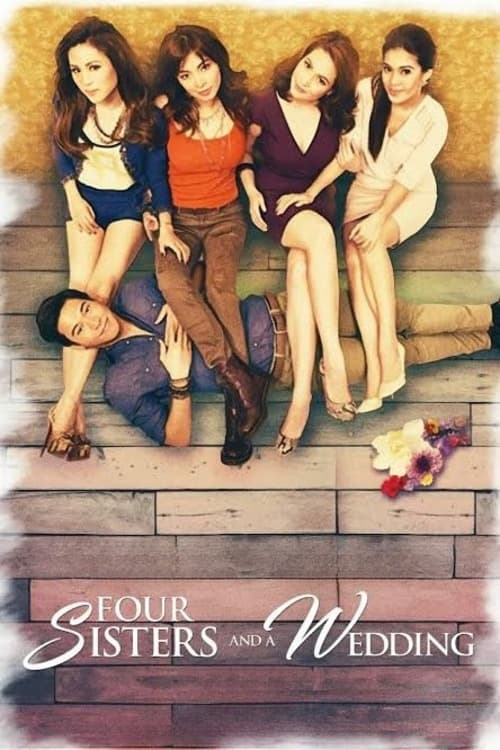
2013
No reviews yet. Be the first to share your thoughts on this movie!
Use the rating form above to leave a star rating and optional review.