
Force
2011
No user ratings available yet
Representation score: 2.5 out of 10
Representation Score
Minimal
2006
Director
Rajkumar Santoshi
Runtime
151 minutes
Average Rating
No ratings yetNew Showbiz Analysis
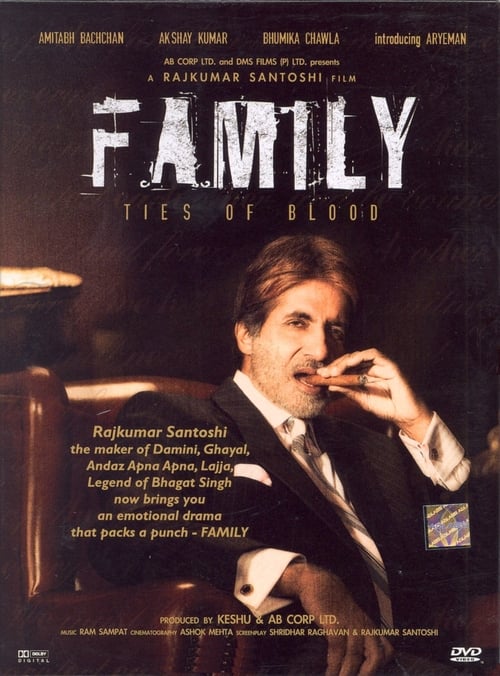
Family: Ties of Blood is a traditional crime drama centered on the cyclical moral framework of karma. The story prioritizes themes of vengeance and familial honor within a patriarchal underworld hierarchy. While the film provides essential regional representation through its Indian setting, it does not deconstruct social norms. The narrative structure remains firmly rooted in established moral and gendered traditions.
Category Breakdown
The film does not feature any LGBTQ+ characters or narratives about non-cisgender identities. The story focuses solely on traditional family and criminal hierarchies.
The plot revolves around a patriarchal power structure dominated by male figures. Authority is closely tied to masculinity, with little evidence of female empowerment or subverted gender roles.
Set in India, the film offers non-Western representation. The conflict between Viren and Khan highlights diverse cultural or religious identities within Indian society.
The narrative relies on traditional moralism and the concept of karma. It emphasizes spiritual retribution and justice rather than secularism or institutional critique.
There is no mention of characters with physical, sensory, or neurodivergent disabilities within the narrative.
Present on Screen
Limited or Absent
Official Synopsis
The story is on the concept of karma and bad deeds. It follows Viren Sahai (Amitabh Bachchan), underworld don who rules over India. His son Abhir (Sushant Singh) is spoilt and believes he can do anything due to his father's power. When Viren's enemy Khan (Kader Khan) attacks Abhir, Viren demands revenge.
2011

2012

2025

2012
2001

2006

1991

2023
No reviews yet. Be the first to share your thoughts on this movie!
Use the rating form above to leave a star rating and optional review.