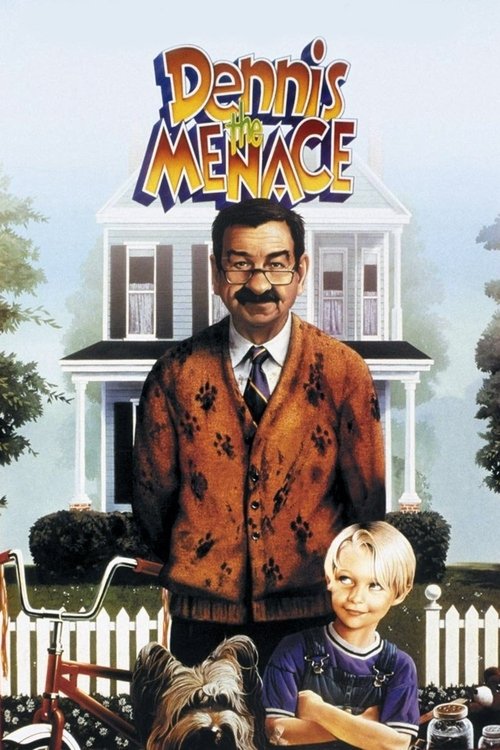
Dennis the Menace
1993
No user ratings available yet
Representation score: 0.5 out of 10
Representation Score
Limited
1998
GDirector
Charles T. Kanganis
Runtime
71 minutes
Average Rating
No ratings yetNew Showbiz Analysis
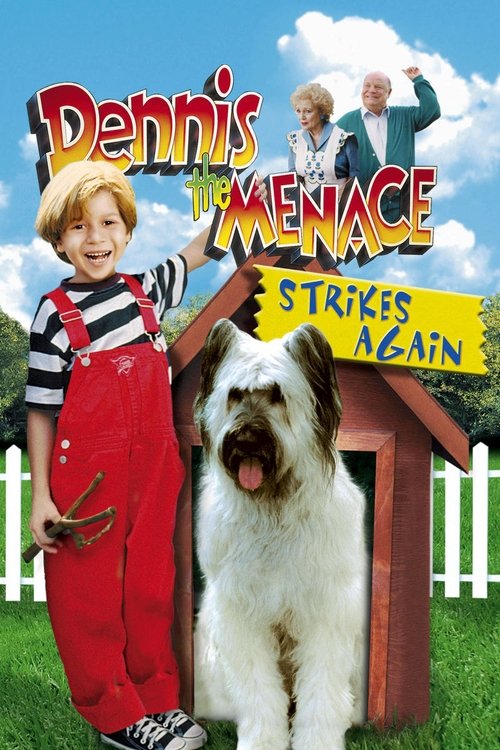
Dennis the Menace Strikes Again! is a typical family comedy that follows genre conventions. The film upholds traditional social structures and character types without questioning them. It heavily relies on the familiar formulas of the era. The story is centered around a single male perspective, highlighting traditional views of childhood and domestic life. This approach keeps the scope narrow and homogeneous. Overall, the film offers little in the way of inclusive representation. It stays firmly rooted in the social norms of its time, providing a predictable experience for a general audience.
Category Breakdown
The film does not include any LGBTQ+ characters or stories. It follows the traditional assumption that everyone is straight or cisgender.
The story focuses on a male protagonist known for causing trouble. This portrayal relies on conventional ideas about boys being mischievous.
The production seems to follow the typical casting practices of its time. It focuses on a traditional Western home setting without showing a diverse cast.
The narrative operates within the usual norms of family-friendly entertainment. It emphasizes the nuclear family unit without addressing broader societal issues.
The film does not mention any characters with visible or invisible disabilities. There is also no indication of neurodivergent representation or characters taking control of their own lives.
Present on Screen
Limited or Absent
Official Synopsis
Barricade the doors. Lock the windows. Because he's baaaack. That one-boy wrecking crew, Dennis the Menace, returns for more mischief and mayhem. Based on the comic strip and TV show about a mischievous little boy with a gift for the potentially lethal prank.
1993
1991
1990
2008
2001
2006

1995

1995
No reviews yet. Be the first to share your thoughts on this movie!
Use the rating form above to leave a star rating and optional review.