
Samaritan Girl
2004
No user ratings available yet
Representation score: 7.3 out of 10
Representation Score
Fair
1996
Director
Kim Ki-duk
Runtime
102 minutes
Average Rating
No ratings yetNew Showbiz Analysis
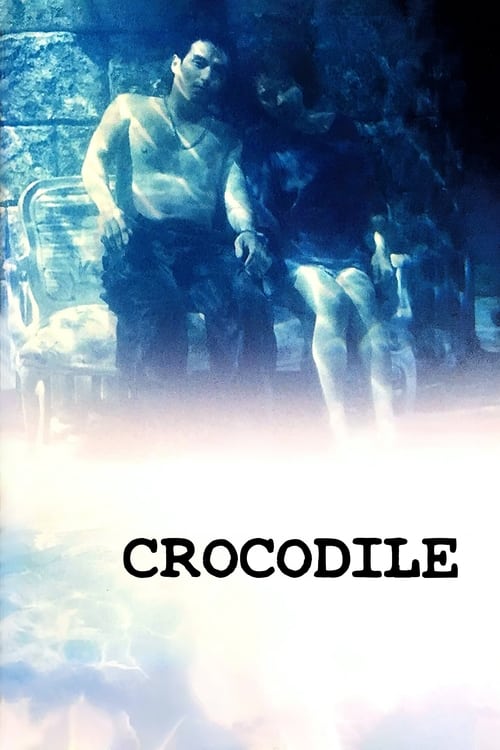
Kim Ki-duk’s *Crocodile* is a visceral social critique that prioritizes class struggle over identity politics. It succeeds as a piece of systemic commentary, using the protagonist's scavenger lifestyle to highlight the flaws in South Korea's economic progress. However, the film's impact is limited by a lack of diverse representation. The absence of LGBTQ+ identities, multi-ethnic casting, or nuanced depictions of disability keeps the diversity profile narrow. Ultimately, the work focuses on social margins. It trades identity-based exploration for a gritty, psychological examination of how rapid capitalism creates discarded, predatory individuals.
Category Breakdown
The film does not include any LGBTQ+ characters or explore non-straight identities. The central conflict revolves around an obsessive relationship between a male protagonist and a female subject.
Gender hierarchies are challenged through psychological volatility rather than traditional roles. While the female character serves as a catalyst for the protagonist's unraveling, the film relies on violent, obsessive themes.
The cast reflects a specific South Korean cultural context, avoiding Western cinematic standards. It presents an authentic, localized perspective that resists globalization or whitewashing.
The narrative critiques South Korea's rapid capitalist growth by focusing on the underrepresented lower classes. It challenges the myth of the 'Asian Tiger' economic success.
The film does not explicitly address neurodivergence or physical disabilities. Psychological instability is portrayed as a thriller element rather than a nuanced exploration of mental health.
Present on Screen
Limited or Absent
Official Synopsis
Under the Han River lives Crocodile, a rugged member of the lumpenproletariat who exists from schemes and stealing. His position as a scavenger of society undermines South Korea’s boasts of its newfound economic position as an Asian Tiger. One day, Crocodile finds a girl floating in his river.
2004

1995

2000
2001
2005

2014

2011

1997
No reviews yet. Be the first to share your thoughts on this movie!
Use the rating form above to leave a star rating and optional review.