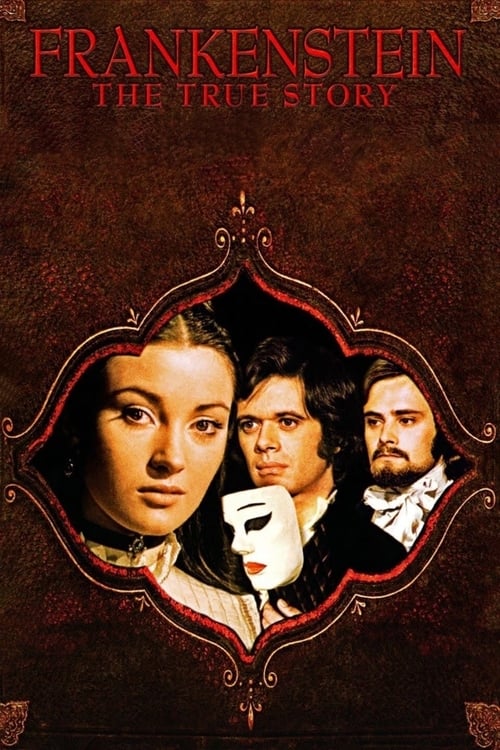
Frankenstein: The True Story
1974
No user ratings available yet
Diversity score: 2.2 out of 10

2011
RDirector
Danny Boyle, Tim Van Someren
Runtime
130 minutes
Average Rating
No ratings yetSynopsis
Childlike in his innocence but grotesque in form, Frankenstein’s bewildered creature is cast out into a hostile universe by his horror-struck maker. Meeting with cruelty wherever he goes, the friendless Creature, increasingly desperate and vengeful, determines to track down his creator and strike a terrifying deal. Urgent concerns of scientific responsibility, parental neglect, cognitive development and the nature of good and evil are embedded within this thrilling and deeply disturbing tale.
Overall Score
Fair
Category Breakdown
LGBTQ+ Representation
The production lacks explicit non-cisnormative identities or same-sex romantic narratives. While the bond between creator and creation explores intense emotional codependency, it does not offer overt LGBTQ+ depictions.
Gender Representation
The story centers on masculine dynamics and the psychological struggle between Victor and his creation. It subverts traditional tropes by portraying scientific ambition as a source of instability and moral failure.
Racial & Ethnic Diversity
The cast reflects the historical European setting of the source material. There is no significant use of race-bent casting or diverse ethnic ensembles to disrupt the period-specific context.
Religious & Cultural Diversity
The film critiques traditional institutions and the moral authority of social structures. It portrays the family unit as a site of failure and examines how society marginalizes those who do not conform.
Disability Representation
The Creature’s existence explores physical otherness and neurodivergent-coded experiences. The production avoids inspiration porn, instead granting the character immense agency and making his struggle the narrative's emotional driver.
Strengths
Areas for Improvement
AI Analysis
This production deconstructs the classic Gothic horror trope by shifting focus from spectacle to a psychological study of social alienation. It centers the 'monster' as a primary agent of existential inquiry rather than a mere antagonist. While the demographic profile remains traditional and historically grounded, the narrative architecture is progressive. It challenges established norms by framing the outsider's journey as a critique of systemic societal rejection. The film succeeds most in its empathetic portrayal of physical and sensory 'otherness,' using the Creature's struggle to mirror the lived experiences of marginalized bodies.
1974

2004
1953
1913
2004
No reviews yet. Be the first to share your thoughts on this movie!
Use the rating form above to leave a star rating and optional review.