
The Time Capsule
2022
No user ratings available yet
Representation score: 1.9 out of 10
Representation Score
Limited
1991
PGDirector
W.D. Richter
Runtime
93 minutes
Average Rating
No ratings yetNew Showbiz Analysis
Late for Dinner is a genre-driven drama that uses science fiction to examine the fragility of mid-century social stability. The narrative relies heavily on traditional clichés of domestic suspense and socioeconomic anxiety. While the film offers a critique of predatory financial practices and institutional corruption, it lacks multi-layered complexity. The story remains tethered to conventional social hierarchies and a very narrow demographic scope. Ultimately, the film functions as a localized struggle between individuals and corrupt actors rather than a broad exploration of diverse identities or systemic issues.
Category Breakdown
The film focuses on a traditional nuclear family and brothers-in-law. There are no visible LGBTQ+ identities or narratives present.
Joy's character highlights domestic instability and financial tension. However, her ability to act is tied to traditional patriarchal stressors and suburban stereotypes.
The production follows a homogeneous demographic profile. The setting and cast lack significant diversity, remaining largely Anglo-centric.
The story critiques predatory capitalism and the loss of the American Dream through bank foreclosure. It frames systemic pressure as a struggle against corrupt individuals.
Frank Lovegren is depicted as simple-minded. This characterization risks using neurodivergence as a shorthand rather than offering a nuanced portrayal.
Present on Screen
Limited or Absent
Official Synopsis
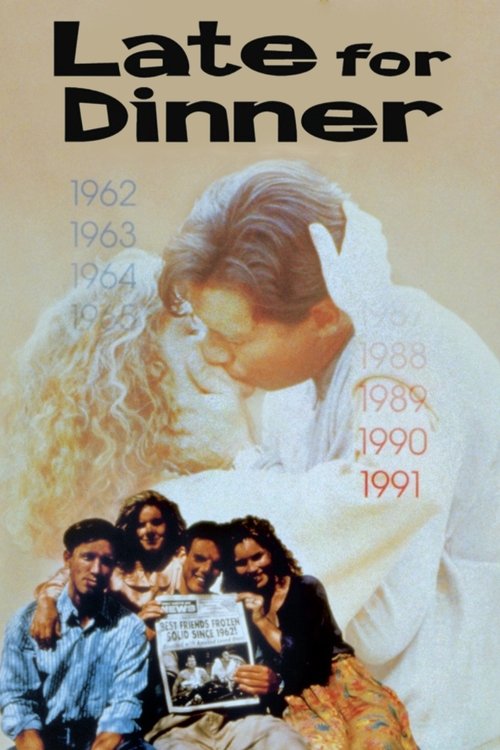
Two young men, one in need of medical attention, are cryogenically frozen in the early 1960s. The two are preoccupied with the fact that the police are pursuing them to realise what they are doing. The next thing they know is that they are in a strange new world (thirty years on).
2022

1969

1992

1989

2019

1999
1967

1998
No reviews yet. Be the first to share your thoughts on this movie!
Use the rating form above to leave a star rating and optional review.