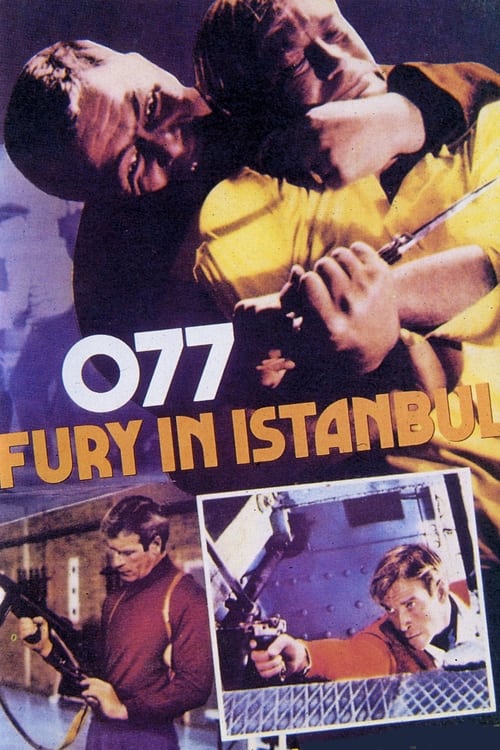
From the Orient with Fury
1965
No user ratings available yet
Representation score: 2.0 out of 10
Representation Score
Limited
1967
Not RatedDirector
Gianfranco Baldanello
Runtime
93 minutes
Average Rating
No ratings yetNew Showbiz Analysis
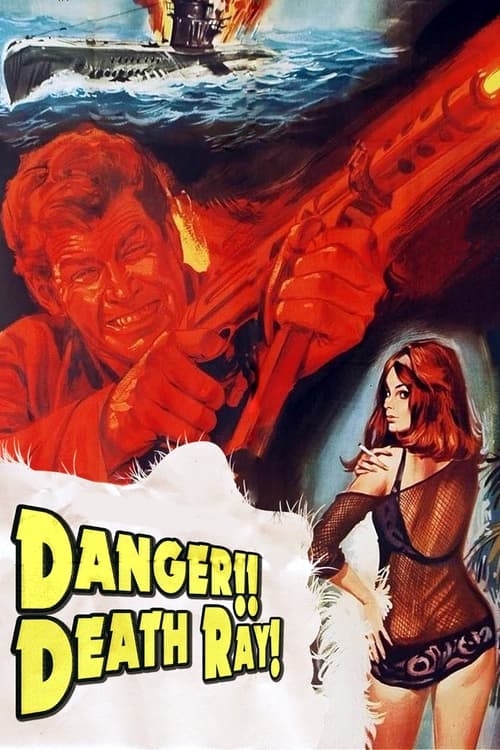
Danger!! Death Ray is a quintessential product of the 1960s Eurospy movement. It prioritizes genre-specific clichés like technological peril and the singular ability to act of a male protagonist over diverse storytelling. The film adheres to established mid-century cinematic frameworks, focusing on the preservation of order and scientific progress. It does not attempt to challenge traditional hierarchies or explore multiple aspects of identity. Ultimately, the work functions as a standard genre piece that reflects the social and narrative conventions of its time rather than challenging them.
Category Breakdown
The film does not include any queer narratives or characters with non-straight identities. It follows the typical heterosexual relationship clichés found in 1960s spy thrillers.
The story revolves around a single male hero, Secret Agent Bart Fargo. Female characters tend to serve as secondary figures or plot catalysts rather than taking leading roles.
The narrative focuses on Western-centric viewpoints common during the era. It lacks deep, agentic roles for characters of color, possibly relying on exotic settings as a backdrop.
The plot centers on Cold War-era technological threats and institutional stability. It emphasizes mid-century heroism without engaging with anti-Western or anti-capitalist critiques.
There is no evidence of characters with disabilities being used as central plot devices or portrayed with ability to act.
Present on Screen
Limited or Absent
Official Synopsis
Secret Agent Bart Fargo chases the kidnappers of the inventor of a death ray.
1965
1966
1960
1965
1966
1966
1973
1968
No reviews yet. Be the first to share your thoughts on this movie!
Use the rating form above to leave a star rating and optional review.