Skills
2010
No user ratings available yet
Representation score: 4.3 out of 10
Representation Score
Good
2001
Director
Julien Seri, Ariel Zeitoun
Runtime
90 minutes
Average Rating
No ratings yetNew Showbiz Analysis
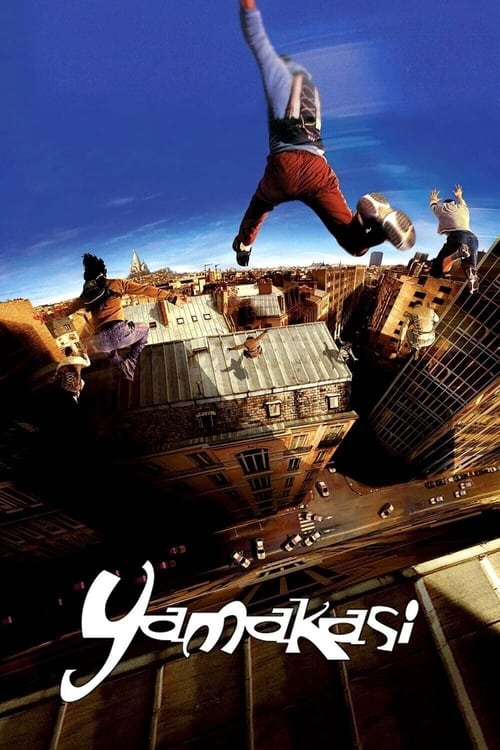
Yamakasi is a powerful example of how racial and cultural representation can shape a film's identity. By focusing on immigrant youth from the Parisian suburbs, the film effectively challenges traditional socio-economic hierarchies and celebrates multi-ethnic diversity. However, the film's narrow focus on a male-dominated brotherhood limits its broader social scope. The absence of LGBTQ+ characters and the limited roles for women create a significant imbalance in the ensemble's composition. Ultimately, the film's strength lies in its anti-capitalist perspective and its celebration of multi-ethnic identity, which compensates for its more traditional approach to gender and sexual orientation.
Category Breakdown
The film focuses almost exclusively on the camaraderie and physical feats of a masculine ensemble. There is no clear presence of LGBTQ+ characters or stories that challenge traditional heterosexual relationships.
The narrative centers around a male-dominated ensemble with a traditional gender hierarchy. Female characters are placed on the periphery, serving mainly as supporting figures rather than active drivers of the plot.
The film stands out by featuring a multi-ethnic cast, particularly highlighting individuals from North African and West African backgrounds. This depiction challenges homogeneous cinematic norms by giving these characters significant roles within the Parisian setting.
The story is deeply rooted in a critique of capitalist structures and systemic inequality. It portrays the protagonists' actions as a necessary response to the neglect of underrepresented communities.
A child's injury serves as the narrative catalyst for the group's mission. However, this uses physical vulnerability as a plot device rather than offering a nuanced exploration of disability.
Present on Screen
Limited or Absent
Official Synopsis
Yamakasi - Les samouraïs des temps modernes is a 2001 French movie written by Luc Besson. It demonstrates the skills of the Yamakasi, a group of traceurs who battle against injustice in the Paris ghetto. They use parkour to steal from the rich in order to pay off medical bills for a kid injured copying their techniques.
2010

2015
2004
2013
2013
2009

2017

1983
No reviews yet. Be the first to share your thoughts on this movie!
Use the rating form above to leave a star rating and optional review.