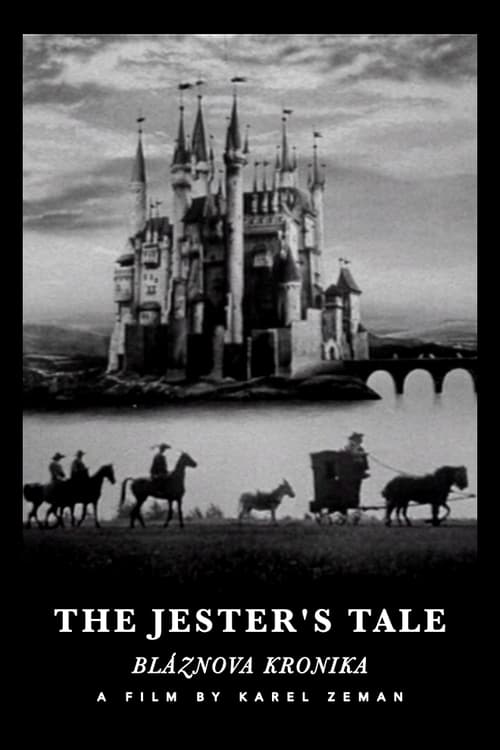
The Jester's Tale
1964
No user ratings available yet
Diversity score: 4.7 out of 10
1967
Director
Karel Zeman
Runtime
84 minutes
Average Rating
No ratings yetSynopsis
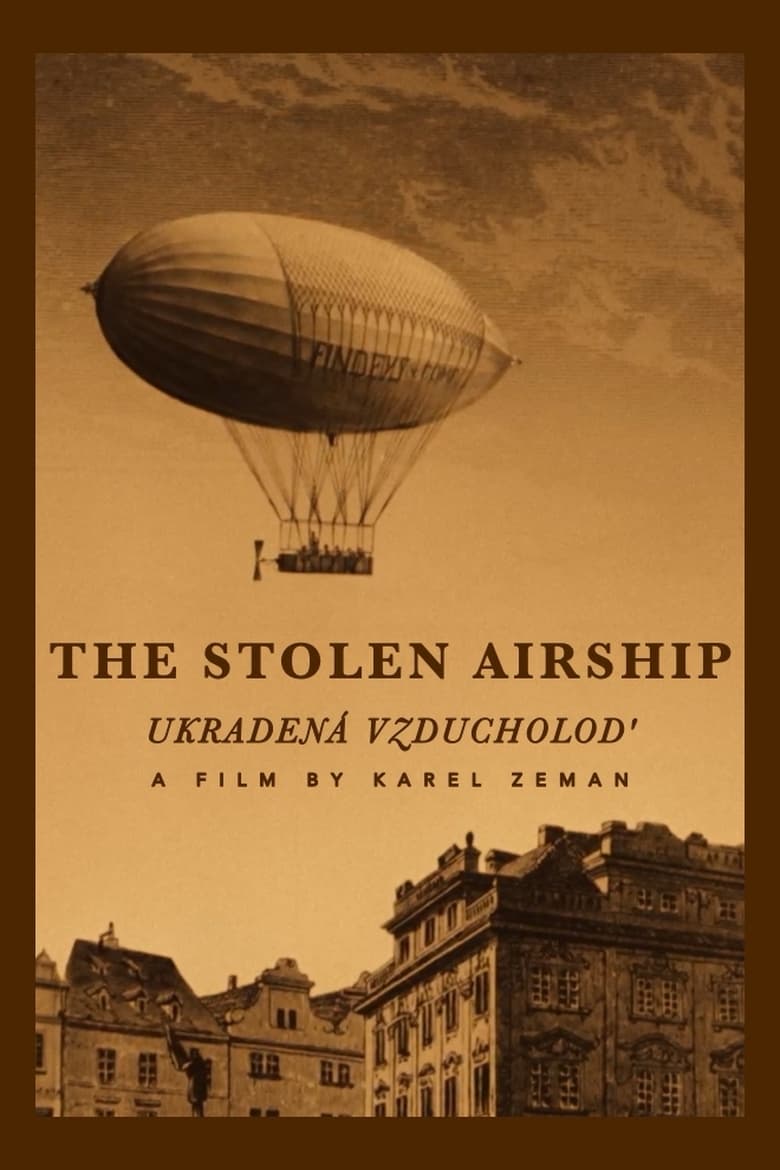
Five young people take off in a lighter-than-air machine at the Prague Centennial Exhibition. A live-action/animated film based loosely on Jules Verne's novels Two Years' Vacation and The Mysterious Island. The film in Art Nouveau style consists of live-action scenes, generally shot in black and white, as well as hand-drawn, stop-motion, and cutout animation. Various live-action and animated elements are often composited into the same scene.
Overall Score
Fair
Category Breakdown
LGBTQ+ Representation
The film follows a traditional adventure structure centered on a group of youths. There is no explicit evidence of LGBTQ+ characters or non-heteronormative narratives within the story.
Gender Representation
The ensemble of five young people suggests potential for character agency. However, the narrative likely leans toward traditional gender archetypes common in mid-century adventure cinema.
Racial & Ethnic Diversity
Set within a specific Art Nouveau aesthetic, the film suggests a predominantly homogeneous cast. There is no evidence of intentional racial blending or diverse ethnic metaphors.
Religious & Cultural Diversity
Zeman disrupts Western cinematic realism through technical innovation. The film prioritizes intellectual curiosity and a humanist worldview over strict religious or moralistic frameworks.
Disability Representation
There is no documented evidence regarding the inclusion of characters with visible or invisible disabilities in this production.
Strengths
Areas for Improvement
AI Analysis
The Stolen Airship is a technical and aesthetic triumph that prioritizes stylistic subversion over intersectional representation. Its progressive value is found in its rejection of standard visual language through a blend of animation and live-action. While the film challenges the boundaries of medium and reality, it remains tethered to the social and demographic norms of 1967. The narrative focuses on adventure and scientific romance rather than explicit identity politics. Ultimately, the work functions as a masterpiece of magical realism, though it lacks intentional diversity in terms of race, gender, or sexual identity.
1964
1949

1970
1955
1953
No reviews yet. Be the first to share your thoughts on this movie!
Use the rating form above to leave a star rating and optional review.