
Father’s Chair
2012
No user ratings available yet
Diversity score: 4.5 out of 10
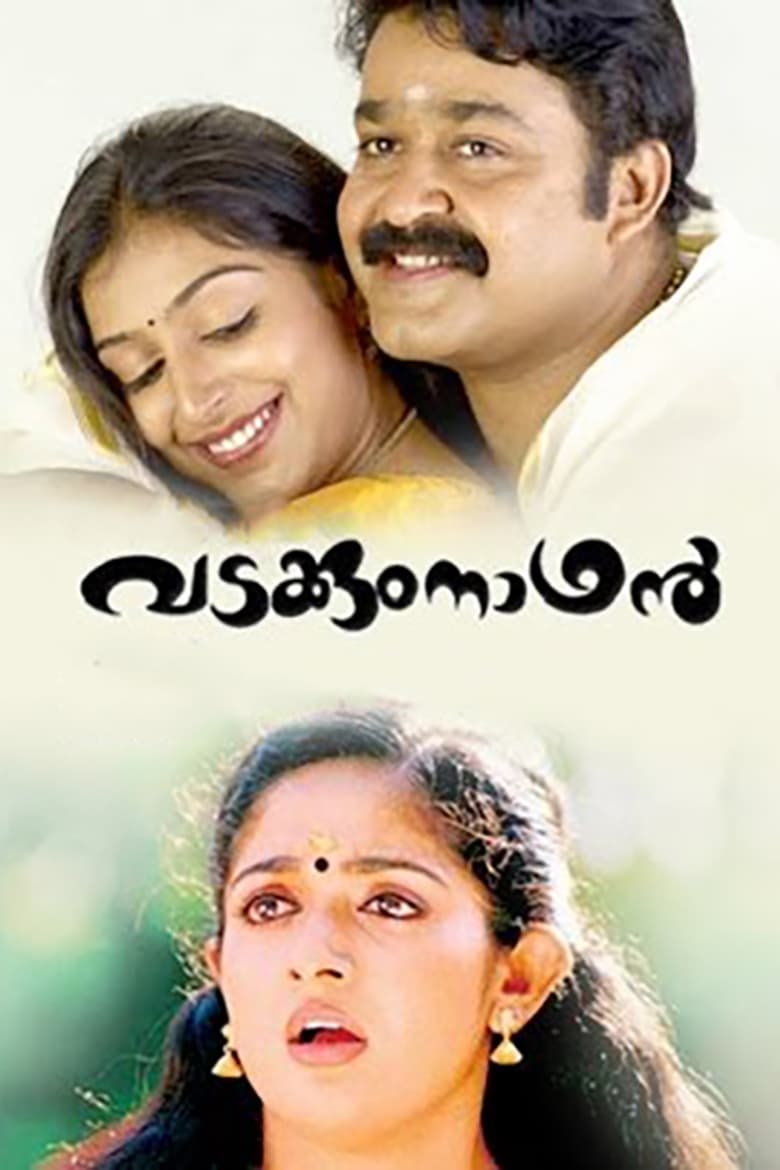
2006
Director
Shajoon Kariyal
Runtime
140 minutes
Average Rating
No ratings yetSynopsis
Iringannoor Bharathan Pisharody, professor at the Sanskrit University, a very knowledgeable man with a keen interest in the Vedas, astrology and Kathakali, author of several critical works and winner of numerous awards, is the central character of Vadakkum Nathan. Meera (Padmapriya) is his student and murapennu. Both families have agreed to their wedding and a date has been fixed. But when the auspicious day dawns and the bride arrives at the mandapam the groom has disappeared. Years pass. No one knows Bharathan's whereabouts.Then one day his mother and younger brother on a pilgrimage to the holy shrines of Haridwar, Kedarnath, Rishikesh and Rudraprayag, meet Bharathan on the foothills of the Himalayas. From there unfolds the touching story of Vadakkum Nathan.
Overall Score
Limited
Category Breakdown
LGBTQ+ Representation
The film lacks any indication of non-cisnormative identities or same-sex narratives. The story focuses on a mother-son dynamic within a traditional family structure.
Gender Representation
A maternal figure serves as the central emotional catalyst for the plot. However, the film does not appear to subvert gender hierarchies or explore non-traditional domestic roles.
Racial & Ethnic Diversity
The cast reflects South Indian ethnic identity through the lens of Malayalam cinema. It operates within a homogeneous cultural context rather than exploring intersectional or globalized diversity.
Religious & Cultural Diversity
Religious institutions and pilgrimages drive the narrative. The story aligns with traditional social values regarding spiritual duty and family cohesion rather than critiquing these institutions.
Disability Representation
There is no evidence regarding the portrayal of physical or neurodivergent disabilities in the narrative.
Strengths
Areas for Improvement
AI Analysis
Vadakkumnadhan is a traditional family drama that prioritizes regional social structures and familial reconciliation over identity-focused political messaging. The plot follows a classical trajectory of a lost individual returning to a religious and social framework. The film adheres to conventional storytelling structures common in regional dramatic cinema. It focuses on themes of disappearance and spiritual journeys rather than deconstructing social institutions or exploring systemic critiques. While the film provides representation of South Indian identity, it remains within a culturally specific and homogeneous context. It does not engage with intersectional diversity or non-traditional social dynamics.
2012
2003
2000
1998
2007
2003

2011

2017
2005
1993
2015
2005
No reviews yet. Be the first to share your thoughts on this movie!
Use the rating form above to leave a star rating and optional review.