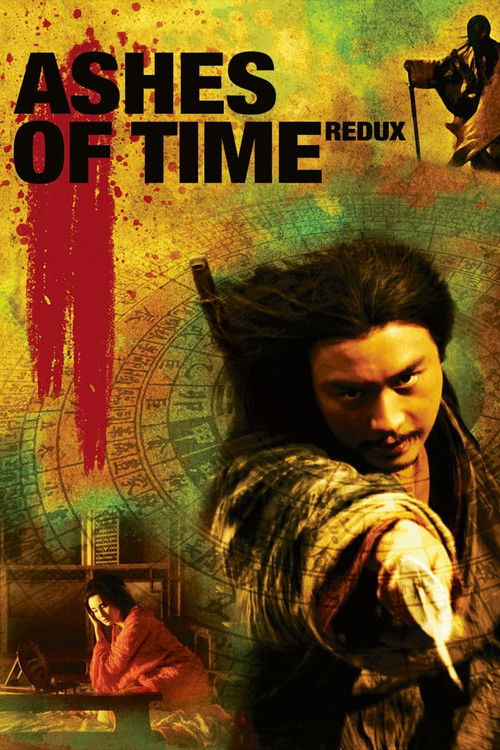
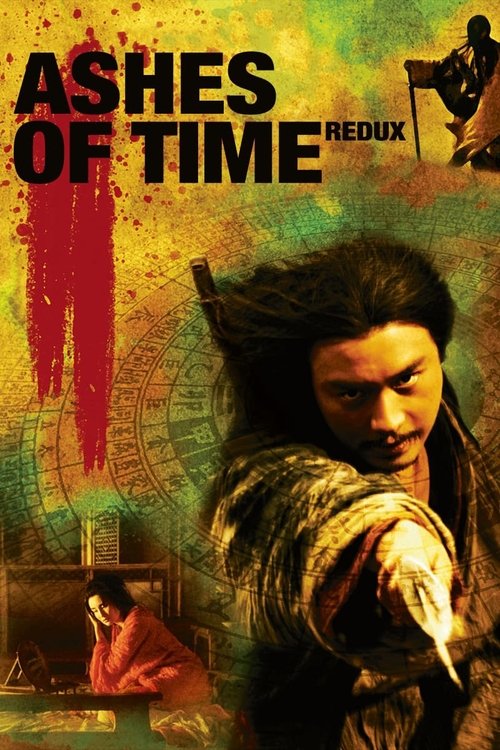
Ashes of Time Redux
2008
No user ratings available yet
Representation score: 8.2 out of 10
Representation Score
Good
1994
RDirector
Wong Kar-wai
Runtime
98 minutes
Average Rating
No ratings yetNew Showbiz Analysis
Wong Kar-wai’s work subverts the traditional wuxia genre by prioritizing subjective emotional truth over linear action. The film excels in its treatment of gender, giving women significant roles and depth that challenge patriarchal martial arts clichés. However, the narrative remains largely confined to heterosexual romantic frameworks and lacks explicit LGBTQ+ or disability representation. While it offers a culturally nuanced alternative to Western action cinema, it does not explore multi-layered identities or physical impairments. Ultimately, the film's strength lies in its postmodern approach to morality and identity, using a desert setting to explore displacement and the breakdown of traditional social structures.
Category Breakdown
The film highlights the internal isolation and melancholy of its characters, focusing on heterosexual longing. It does not include explicit markers of LGBTQ+ identities or same-sex intimacy.
The film features female characters with significant psychological depth and emotional independence. They avoid the damsel-in-distress archetype and act as central figures in shaping their own tragic stories.
Set in a stylized late Qing Dynasty landscape, the film challenges Anglo-centric action clichés by offering nuanced explorations of morality and identity within a specific Chinese context.
The narrative explores moral relativism and fatalism, showing characters living in fragmented social structures outside formal legal or religious institutions. The story often places characters in a state of exile.
The film does not focus on visible or invisible disabilities. Struggles are primarily psychological and existential, centered on emotional trauma rather than clinical or physical conditions.
Present on Screen
Limited or Absent
Official Synopsis
Ouyang Feng is a heartbroken and cynical man who spends his days in the desert, connecting expert swordsmen with those seeking revenge and willing to pay for it. Throughout five seasons in exile, Ouyang spins tales of his clients' unrequited loves and unusual acts of bravery.
2008
2004
2019
1993
1960

1996

1973
1958
No reviews yet. Be the first to share your thoughts on this movie!
Use the rating form above to leave a star rating and optional review.