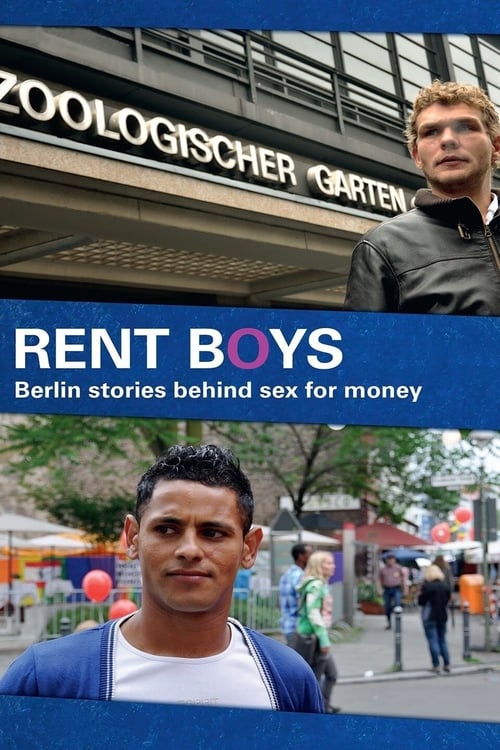
Rent Boys
2011
No user ratings available yet
Representation score: 9.4 out of 10
Representation Score
Good
2003
Director
Adi Barash, Ruthie Shatz
Runtime
90 minutes
Average Rating
No ratings yetNew Showbiz Analysis
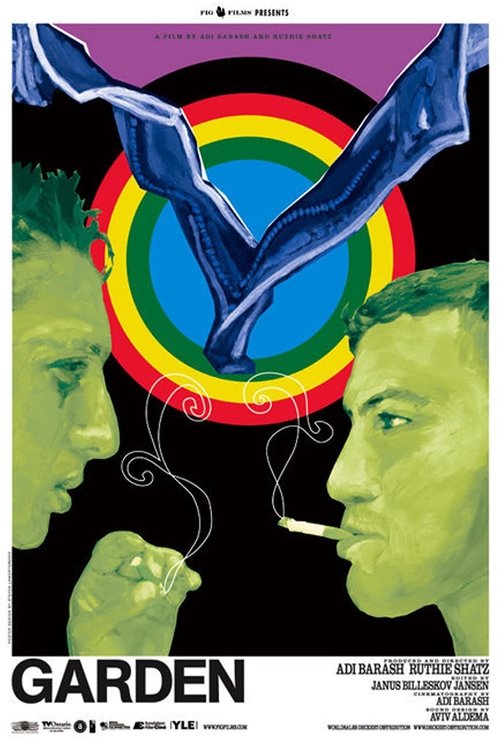
Garden is a significant work of social documentation that centers identities often sidelined in mainstream discourse. By focusing on the intersection of queer identity and economic precarity, the film challenges traditional expectations of social behavior. The documentary succeeds in giving its subjects significant narrative ability to act, offering a nuanced look at urban survival. It effectively critiques the systemic failures of urban institutions and the economic pressures driving youth into precarious lifestyles. While the film excels in representing queer and cultural identities, it lacks a broad emphasis on racial or ethnic diversity.
Category Breakdown
The film focuses on the experiences of queer male youth, giving voice to those with non-conforming gender identities. It allows teenage sex workers to share their realities, providing a platform for diverse LGBTQ+ identities.
The documentary examines a version of masculinity that is both vulnerable and economically unstable. It challenges traditional masculine hierarchies by showing men navigating survival through unconventional social roles.
The film captures the multicultural fabric of Tel Aviv's urban landscape. However, the narrative focus leans more towards the specific subculture of queer identity rather than a broader range of racial diversity.
The narrative avoids imposing traditional religious or moralistic judgments on its subjects. Instead, it frames their lives through systemic vulnerabilities, rather than individual moral failures.
There is no evidence regarding the portrayal of physical or neurodivergent disabilities within the film.
Present on Screen
Limited or Absent
Official Synopsis
A look into the lives of teenage male prostitutes working the area known as the "Electricity Garden" in Tel Aviv.
2011
2019

1996
2004
2017
1994
2011

2019
No reviews yet. Be the first to share your thoughts on this movie!
Use the rating form above to leave a star rating and optional review.