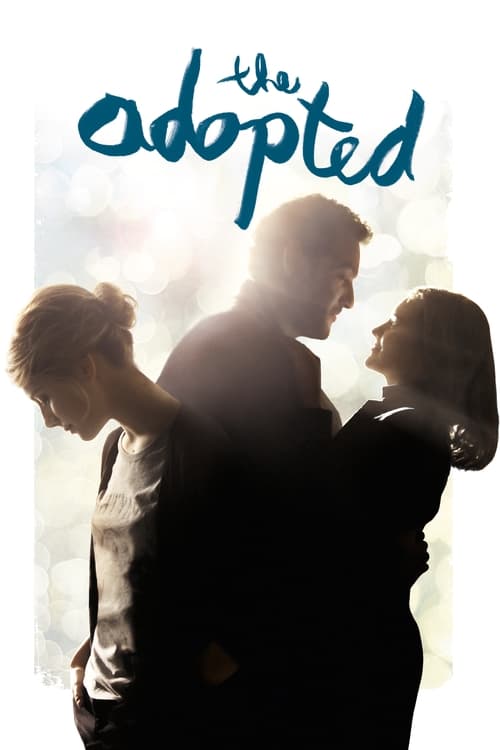
The Adopted
2011
No user ratings available yet
Representation score: 4.5 out of 10
Representation Score
Fair
2011
Director
Christian Petzold
Runtime
88 minutes
Average Rating
No ratings yetNew Showbiz Analysis
Christian Petzold’s drama is a detailed examination of social vulnerability and individual empowerment. It emphasizes the tension between individuals and the state, focusing on a narrow slice of European society. The film successfully challenges traditional gender hierarchies by highlighting the active roles of female characters. However, it remains a focused look at a particular social stratum, lacking broader representation of racial, LGBTQ+, or disability diversity.
Category Breakdown
The film doesn't include any stories about LGBTQ+ individuals or non-traditional gender identities. Relationships focus on traditional bonds without questioning the assumption that everyone is straight or cisgender.
The film centers the active roles of female characters such as Nora, challenging traditional gender power structures. Power dynamics are flexible and based on practical needs rather than rigid hierarchies.
The cast is primarily made up of white actors, reflecting a specific socioeconomic context in Germany. There is no indication of intentional ethnic diversification among the main cast.
The story uses moral relativism to portray criminal behavior as a pragmatic response to systemic pressures. It subtly critiques the state's ability to manage individuals.
The film does not depict any visible or invisible disabilities or neurodivergence. The focus is solely on socioeconomic and legal issues.
Present on Screen
Limited or Absent
Official Synopsis
Johannes is a loner who wants a better job. And then he meets Ana. Ana is attractive and even though her job is even less prestigious than Johannes's, he falls for her. And then she quits her job to be with him (and be dependent on him) and suddenly things become much more serious. She has fallen for him. But does he still love her? Did he ever? Enter Sarah. Sarah is the daughter of Johannes's boss. He and she have a past. Will Sarah and what she represents be his future, and Ana just a memory, something he'd like to erase?
2011

2007

2012

2007
2006
2008

2010

2015
No reviews yet. Be the first to share your thoughts on this movie!
Use the rating form above to leave a star rating and optional review.