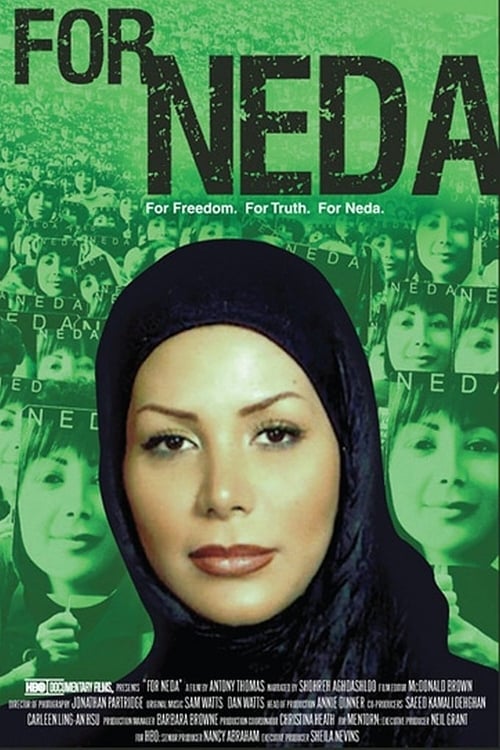
For Neda
2010
No user ratings available yet
Representation score: 6.9 out of 10

Representation Score
Good
2013
Director
Nahid Persson Sarvestani
Runtime
75 minutes
Average Rating
No ratings yetNew Showbiz Analysis
My Stolen Revolution is a compelling, personal exploration of state-imposed identity. By focusing on the female experience and the fight for bodily autonomy, the film effectively challenges theocratic authority and patriarchal structures. The documentary shines in its authentic portrayal of the Iranian diaspora, avoiding common stereotypes. It uses personal stories to reveal the mechanisms of state control and systemic erasure. While the film does not explicitly focus on LGBTQ+ issues or disabilities, its themes of individual ability to act and resistance against rigid social hierarchies offer a strong foundation for diverse storytelling.
Category Breakdown
The film does not focus on LGBTQ+ stories or non-binary relationships. However, it critiques state-enforced gender roles, which subtly supports breaking down strict identity hierarchies.
The film challenges traditional gender roles by showing women as active leaders of dissent instead of passive followers. Women are portrayed as brave and intelligent against patriarchal religious institutions.
The documentary provides a unique Middle Eastern perspective without relying on stereotypes. It explores the complexities of the Iranian diaspora and the challenges of navigating different cultures.
The film emphasizes individual freedom and truth over religious doctrine. It portrays dissent as a necessary act against oppressive theocratic systems.
There are no specific instances of visible or invisible disabilities in the film.
Present on Screen
Limited or Absent
Official Synopsis
As a student, the director managed to flee revolutionary Iran. Many who stayed behind did not survive. When there are renewed protests in Teheran 30 years later, she goes looking for a couple of other survivors who fled. An emotional, very personal documentary.
2010
2011
2020

2015

2021
2013
2019
2020
No reviews yet. Be the first to share your thoughts on this movie!
Use the rating form above to leave a star rating and optional review.