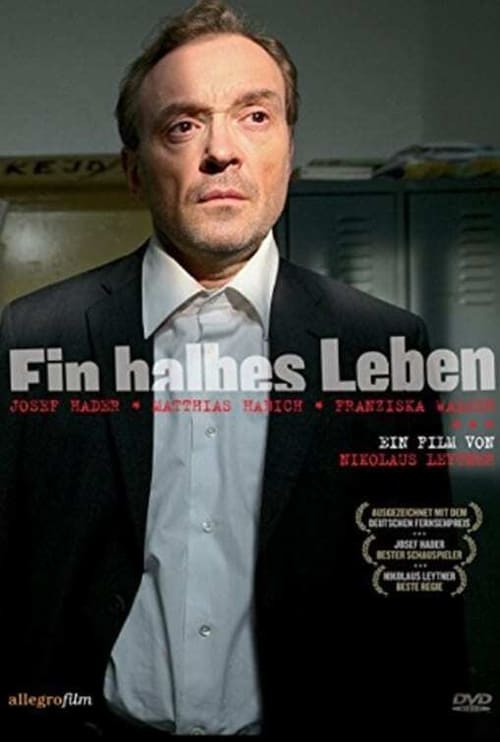
Half a Life
2009
No user ratings available yet
Representation score: 3.5 out of 10

Representation Score
Limited
2011
Director
Roschdy Zem
Runtime
85 minutes
Average Rating
No ratings yetNew Showbiz Analysis
Roschdy Zem’s work provides a vital disruption of homogeneous cinematic norms by centering the Maghrebi experience in France. The film effectively shifts the perspective from dominant institutional viewpoints to those of systemic outsiders, offering a nuanced look at identity and justice. However, the film's impact is limited by its narrow demographic focus. The narrative structure remains tied to traditional gender dynamics and lacks visibility for LGBTQ+ identities, which restricts its multi-layered breadth. Ultimately, the film succeeds as a critique of Western legal stability. It uses the friction between immigrant populations and state institutions to explore the realities of social alienation and systemic exclusion.
Category Breakdown
The film does not include any LGBTQ+ characters or storylines. It focuses solely on the legal and social issues faced by the Maghrebi community.
The story revolves around male-centric social circles and the pressures of masculinity. It lacks significant roles for women and challenges to gender hierarchies in the main investigation.
The film excels by focusing on the North African and Maghrebi diaspora. It provides a sophisticated look at the socio-economic realities of the French suburbs and immigrant identity.
The story uses a post-colonial lens to critique the French judicial and state systems. It portrays the relationship between the state and immigrant populations as one of systemic friction.
There are no prominent depictions of visible or invisible disabilities. Such traits do not serve as central drivers for the narrative.
Present on Screen
Limited or Absent
Official Synopsis
In the summer of 1991 an elderly woman Ghislaine Marchal is found murdered in the basement of her home with the message "Omar M'a Tuer" (Omar has kill me) written beside in her own blood. Despite a lack of forensic or DNA evidence, her Moroccan gardener Omar Raddad is found guilty and sentenced to 18 years in a French prison. Shocked by the case, and convinced of his innocence, journalist Pierre-Emmanuel Vaugrenard moves to Nice to investigate, and uncover the truth...
2009
2016
2021
2019

2012
2009
2008
2012
No reviews yet. Be the first to share your thoughts on this movie!
Use the rating form above to leave a star rating and optional review.