The Creative Brain
2019
No user ratings available yet
Diversity score: 5.0 out of 10
2019
Director
Raphaël Hitier
Runtime
52 minutes
Average Rating
No ratings yetSynopsis
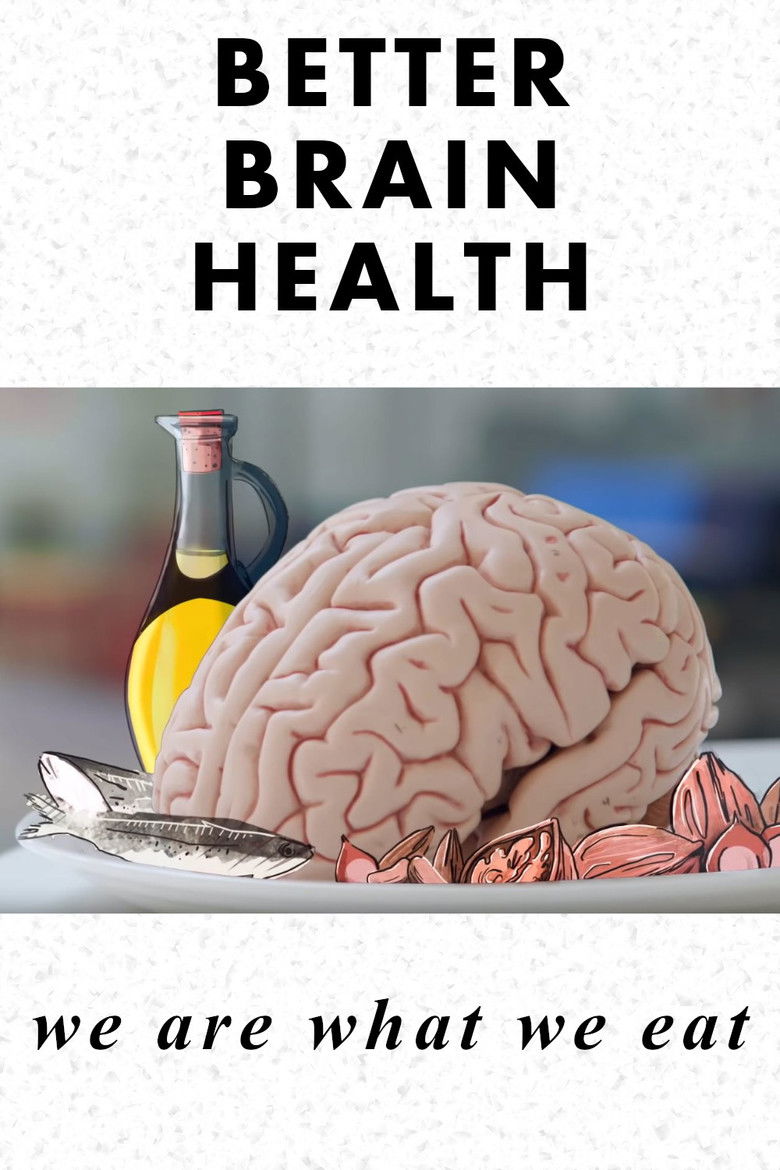
Documentary about the connection between diet and the brain.
Overall Score
Fair
Category Breakdown
LGBTQ+ Representation
The documentary lacks LGBTQ+ characters or romantic subplots. It focuses entirely on the physiological connection between nutrition and cognitive function.
Gender Representation
The film maintains a functionally neutral stance on gender. It avoids both the reinforcement of patriarchal tropes and the subversion of traditional hierarchies.
Racial & Ethnic Diversity
Demographic data regarding interviewees is unavailable. The score reflects a baseline expectation for standard documentary casting without confirmed intentional diversity.
Religious & Cultural Diversity
The narrative prioritizes scientific secularism and biological empiricism. It aligns with modern scientific values rather than religious or traditionalist dietary doctrines.
Disability Representation
While brain health touches on neurodivergence, it is unclear if the film provides agency to those with disabilities. It may treat them as clinical subjects.
Strengths
Areas for Improvement
AI Analysis
This documentary functions primarily as an educational tool centered on biological reality. Because its goal is scientific dissemination, it lacks the narrative infrastructure to explore complex intersectional themes or social hierarchies. The film's focus on cognitive optimization and nutrition results in a specialized content profile. This approach prioritizes data over identity-based storytelling, leading to a neutral but limited representation of social groups. Ultimately, the work is driven by empirical inquiry rather than social deconstruction. This results in a score that reflects a lack of intentional diversity rather than active exclusion.
2019
1999

2023
2008
1994

2017

2020
2008

2017

2024
2021
2020
No reviews yet. Be the first to share your thoughts on this movie!
Use the rating form above to leave a star rating and optional review.