Bare
2020
No user ratings available yet
Representation score: 6.2 out of 10
Representation Score
Good
2014
Director
António da Silva
Runtime
10 minutes
Average Rating
No ratings yetNew Showbiz Analysis
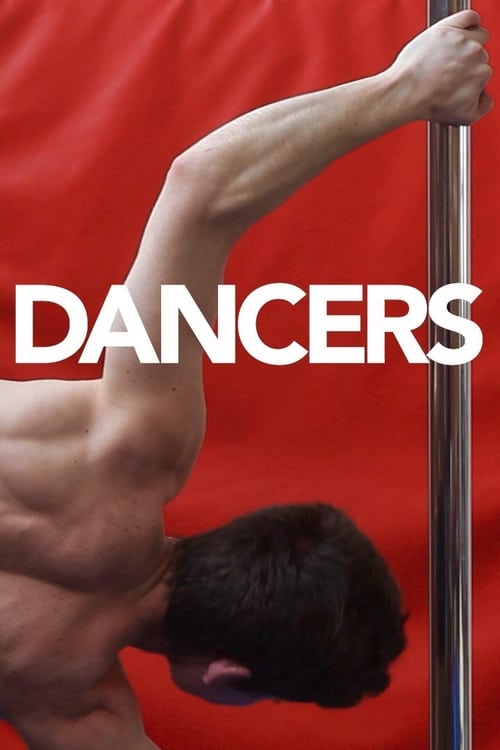
Dancers uses the male body to critique economic failures in Portugal. By centering the male nude through various dance forms, the film disrupts traditional gaze dynamics and uses the body as a site of both aesthetic expression and political protest. The film connects individual physical expression to the broader struggle of the Portuguese artistic community. It frames the act of undressing as a defiant response to institutional neglect and financial instability. While the work successfully challenges gendered viewing habits and institutional structures, it lacks clear evidence regarding racial diversity or disability representation.
Category Breakdown
The film features provocative performances that challenge traditional modesty standards. Although specific sexual orientations are not named, the film's approach to the traditional gaze suggests a move away from conventional viewing habits.
The documentary centers the male body in vulnerable and expressive states, disrupting traditional male clichés. Instead, it presents masculinity through fluidity and artistry, challenging typical gender roles.
The film focuses on Portuguese dancers, with no clear indication of a multi-ethnic cast. The emphasis is on national identity and socio-economic status rather than diverse backgrounds.
The work critiques Western institutions and state-sponsored capitalism, framing the dancers' bodies as a protest against the lack of funding for Portuguese artistic initiatives.
There is no evidence of characters with physical or neurodivergent disabilities in the film.
Present on Screen
Limited or Absent
Official Synopsis
Thirty-five Portuguese dancers undress in front of the camera. They become the object of desire with a sensual provocative performance. Eclectic dance disciplines help this film to explore an exhibitionist view of the male nude. This is a statement about the current financial situation in Portugal and the lack of fundings to support artistic initiatives.
2020
2011
2011

2013

2017
2000
1997

2017
No reviews yet. Be the first to share your thoughts on this movie!
Use the rating form above to leave a star rating and optional review.