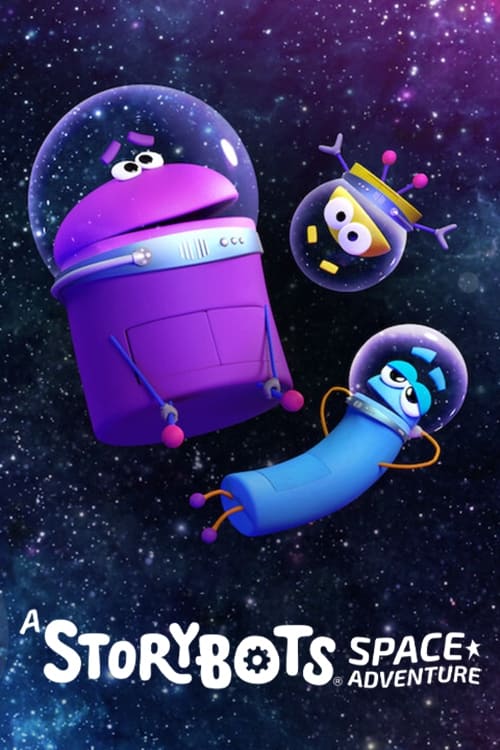
A StoryBots Space Adventure
2021
No user ratings available yet
Representation score: 7.9 out of 10
Representation Score
Good
2020
TV-GDirector
Philip Hunt
Runtime
37 minutes
Average Rating
No ratings yetNew Showbiz Analysis
The film excels at using historical photography to highlight the dignity of underrepresented populations and the working class. By centering non-Anglo-Saxon subjects, it disrupts traditional Western-centric biographical narratives. However, the documentary lacks explicit representation for LGBTQ+ and neurodivergent communities. The focus remains strictly on the photographic legacy of W. Eugene Smith and the ethics of his gaze. Ultimately, the work succeeds as a sophisticated exploration of systemic power and human interconnectedness, even if it does not center specific identity-based narratives.
Category Breakdown
The film does not focus on LGBTQ+ identities or non-cisgender narratives. It does not offer a platform for queer-specific storytelling or critiques of the assumption that everyone is straight.
The narrative explores domestic complexities and the tension between professional obsession and family stability. It subtly critiques patriarchal labor structures and the domestic sacrifices required by historical figures.
The film achieves high marks through the curation of historical archives. The imagery provides real power to diverse ethnic backgrounds, particularly those navigating post-war landscapes and industrial labor.
The film engages with power dynamics and the ethics of the gaze. It critiques the dehumanizing effects of industrial capitalism and wartime conflict through a subjective moral lens.
The documentary portrays physical struggle, trauma, and bodily vulnerability. It grants dignity to subjects in hardship, avoiding the pitfalls of inspiration porn by presenting their experiences as essential history.
Present on Screen
Limited or Absent
Official Synopsis
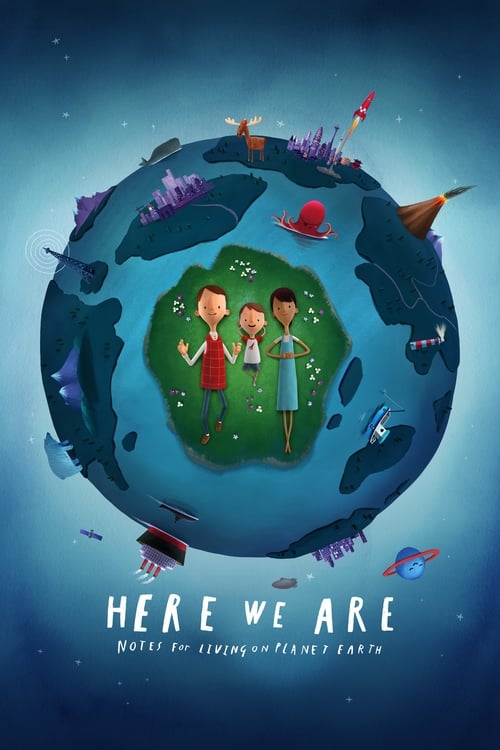
On the eve of Earth Day, a precocious seven-year-old learns about the wonders of the planet from his parents—and a mysterious exhibit at the aptly named Museum of Everything.
2021
2017

2010
2018

2020
2007
2018

2020
No reviews yet. Be the first to share your thoughts on this movie!
Use the rating form above to leave a star rating and optional review.