Winners
2024
No user ratings available yet
Representation score: 6.9 out of 10
Representation Score
Fair
1984
Director
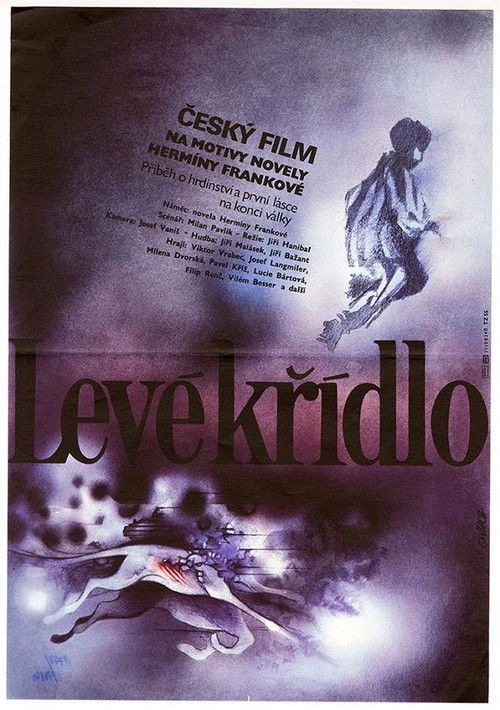
Jiří Hanibal
Average Rating
No ratings yetNew Showbiz Analysis
Levé křídlo is a humanistic drama that uses the innocence of childhood to critique the rigid boundaries of wartime nationalism. By centering the plot on a French refugee joining a local football team, the film emphasizes shared humanity and internationalism over geopolitical conflict. While the film successfully portrays cross-cultural connections and the empowerment of a displaced person, it remains confined by its historical setting. The narrative focuses heavily on masculine-coded environments like sports and warfare, offering limited space for gender diversity or queer representation. Ultimately, the film's strength lies in its ability to deconstruct monolithic authority through the lens of a sporting contest, despite its narrow focus on certain identity categories.
Category Breakdown
The film does not depict non-binary or LGBTQ+ identities explicitly. The story revolves around the friendship among schoolboys and the bond between a refugee and his peers.
The narrative centers on male-dominated environments such as schoolboy football teams and soldiers. There is no indication of women in leadership roles or challenges to traditional gender hierarchies.
The inclusion of a French refugee adds meaningful cross-cultural representation. The story highlights the importance of shared talents over language barriers, emphasizing the integration of a displaced individual.
The film challenges power structures by focusing on German soldiers through a sporting lens rather than purely militaristic ones. It prioritizes the perspective of the displaced over dominant institutions.
There are no visible or invisible disabilities mentioned in the narrative. No assessment can be made regarding the portrayal of neurodivergence or physical disability.
Present on Screen
Limited or Absent
Official Synopsis
The war will also affect children's games. The children hide a French boy who has managed to escape from a prison transport. Language differences certainly don't matter when sporting talent is on display. The refugee becomes a welcome addition to the schoolboy football team, which is about to play against the German soldiers.
2024

2017

1969
1985
1977
2002

1967

2023
No reviews yet. Be the first to share your thoughts on this movie!
Use the rating form above to leave a star rating and optional review.